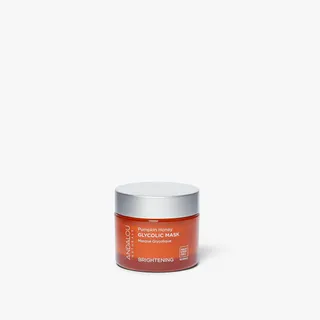
Andalou Naturals Brightening Pumpkin Honey Glycolic Mask

Andalou Naturals Brightening Pumpkin Honey Glycolic Mask

Efficacy91/100IrritancyHigh

Works for

Evens skin tone
Glycolic acid, Camellia sinensis leaf extract + 1 more
Works well
What the product description says
“A powerful blend of AHA, turmeric, and beta-carotene-rich pumpkin enzyme gently exfoliates dull, dry surface cells to reveal visibly smoother skin and a more even tone.”
Source: Andalou

This product can help reduce hypepigmentation and even out the skin tone because it contains the following effective ingredients: glycolic acid

Keep in mind that you would need to apply any topical skincare targetted at hypigmentation consistently for a couple of months to get a result. No topical skincare product can help get rid of hyperpigmentation (including post-acne marks and age spots) instantly.

Glycolic acidKey activeEffect: HighAn alpha-hydroxy acid (AHA) that helps to remove the dead skin cells on the surface of the skin reveling a more even, smoother complexation. It is also able to stimulate collagen production with long-term use. Could help to reduce pore congestion. It can be irritating to the skin. Apply sunscreen daily if using products with glycolic acid~0.95–1.15%
Camellia sinensis leaf extractEffect: LowCan contain potent anti-oxidant compounds (abbreviated ECG, GCG, EGC, and EGCG) that might help protect the skin from free radicals. Can help calm down inflammation and has some anti-bacterial properties. Unfortunately, these antioxidants are unstable and lose their effectiveness very quickly in products. The concentration of the antioxidant compounds in the extract also tends to be low to be effective in topical formulation~0.25–0.5%
Magnesium ascorbyl phosphateEffect: Low, below effective doseA derivative of vitamin C that is more stable, but less bioavailable than the pure form of vitamin C. It does not penetrate the skin well, but has been shown to convert to pure vitamin C once in skin. It can be helpful in stimulating collagen production and lightening the skin tone, but the required concentration is likely to be very high~0.65–1%
Exfoliation
Glycolic acid
Works well
What the product description says
“A powerful blend of AHA, turmeric, and beta-carotene-rich pumpkin enzyme gently exfoliates dull, dry surface cells to reveal visibly smoother skin and a more even tone.”
Source: Andalou

This product can help exfoliate the skin. In other words, it helps break down the bonds between dead cells on the surface of the skin and speed up the skin turnover. Skin often appears softer and brighter after exfoliation, but overdoing it can result in disrupted skin barrier. The following ingredient is doing the exfoliating job in this product: glycolic acid.

Glycolic acidKey activeEffect: HighAn alpha-hydroxy acid (AHA) that helps to remove the dead skin cells on the surface of the skin reveling a more even, smoother complexation. It is also able to stimulate collagen production with long-term use. Could help to reduce pore congestion. It can be irritating to the skin. Apply sunscreen daily if using products with glycolic acid~0.95–1.15%
Moisturizing
Glycerin, Hippophae rhamnoides fruit oil + 17 more
Works
What the product description says
“Nourishing honey and hyaluronic acid help replenish moisture for a luminous, healthy-looking complexion.”
Source: Andalou

This product can help improve hydration of the skin with the two types of ingredients.

The first type is called “humectants”:
these ingredients help attract water. When humectants are on the surface of the skin, they “pull in” the moisture from the outside environment, or from within deeper layers of the skin. The following ingredients in this product do the job: arginine, glycerin.

This product also contains ingredients called “occlusives”. They help reduce the speed with which our skin loses moisture to the outside environment. These ingredients also help soften the upper layer of the skin, so it feels less tight and nicer to the touch. The following ingredients in this product do the job: arginine, helianthus annuus seed oil.

GlycerinKey active· HumectantEffect: HighOne of the best moisturizing ingredients. Naturally present in skin. It attracts water to the upper layer of the skin working as a humectant~4–4.9%
Hippophae rhamnoides fruit oilKey activeEffect: MediumA plant oil that might somewhat help to neutralize free radicals. It could be irritating~2.3–2.9%
Glyceryl stearate seKey activeEffect: MediumUsed to stabilize the product formulations and works as an emollient~1.9–2.3%
Helianthus annuus seed oilKey active· Emollient, OcclusiveEffect: HighA great emollient due to its high linoleic acid content. One of the most effective plant oils in helping skin hydration and repairing skin barrier function~1.5–1.8%
UbiquinoneKey activeEffect: HighCoenzyme Q10. It helps neutralize free radicals in skin, improves skin hydration and might be helpful agains fine lines and wrinkles. It can be an allergen~0.55–0.85%
Hyaluronic acidKey active· HumectantEffect: HighOne of the best moisturizing ingredients. Attracts water into the upper layer of the skin. Naturally present in skin. Typically has large molecule size unless advertised otherwise on the product label. Helps support skin's barrier function and may help to reduce inflammation~0.5–0.75%
HoneyKey active· HumectantEffect: MediumHelps attract water to the skin and might have some anti-bacterial properties. Can be an allergen~0.45–0.65%
Lycium barbarum fruit extractKey activeEffect: MediumA plant extract that can help neutralize free radicals in skin and attract water to its upper layer~0.3–0.6%
ArginineKey active· Humectant, OcclusiveEffect: HighAn amino acid that is naturally present in skin and helps keep it hydrated. When used together with AHAs, it can reduce their irritating effect on the skin~0.25–0.4%
Corallina officinalis extractKey activeEffect: HighRed algae extract that helps attract water to the upper layer of the skin and might contain antioxidants~0.25–0.45%
Limnanthes alba seed oilKey active· EmollientEffect: HighThis oil's cmposition is closest to rapeseed oil. It is a very stable oil and serves as an emoillient~0.25–0.5%
IsomaltKey active· HumectantEffect: HighHelps attract water to the upper layer of the skin~0.2–0.4%
Aloe barbadensis leaf juice· HumectantEffect: LowTraditionally used to treat sunburns, dermatitis and inflammation, but evidence for its effectiveness is lacking. The extract can contain humectants that help attract water into the skin~1.6–2%
Moringa oleifera seed oil· EmollientEffect: LowA plant oil that helps soften the upper layer of the skin. Is unlikely to be helpful in restoring skin barrier function due to the low content of linoleic acid~0.3–0.55%
Ananas sativus fruit extractEffect: LowA fruit extract that might help to attract water to the upper layer of the skin, but there is no evidence for any other benefits to the skin~0.25–0.45%
Camellia sinensis leaf extractEffect: LowCan contain potent anti-oxidant compounds (abbreviated ECG, GCG, EGC, and EGCG) that might help protect the skin from free radicals. Can help calm down inflammation and has some anti-bacterial properties. Unfortunately, these antioxidants are unstable and lose their effectiveness very quickly in products. The concentration of the antioxidant compounds in the extract also tends to be low to be effective in topical formulation~0.25–0.5%
LecithinEffect: Low, below effective doseUsed mostly for creating emulsions - helping oil and water mix together. Helps soften the upper layer of the skin~0.25–0.5%
TocopherolEffect: Low, below effective dosePure form of vitamin E. Can help moisturise and protect the skin from free radicals. Often used to help stabilise other ingredients or the formula itself~0.2–0.4%
Simmondsia chinensis seed oilUnder-dosedSoftens the upper layer of skin and helps restore the healthy skin barrier. Has shown to help calm down inflammation in skin. It is a stable oil, meaning that it retains its properties even when exposed to air.~0.3–0.55%
Anti-aging
Side benefit · Glycolic acid, Aloe barbadensis leaf juice + 7 more
Works well

This product can help reduce and prevent fine lines and wrinkles, improve skin elasticity and firmness because it contains glycolic acid.

Keep in mind that it typically takes at least 6 weeks to notice any results because the changes that are needed to improve fine lines and elasticity happen in the deeper layers of the skin. No topical anti-aging product can “erase” wrinkles or fully reverse signs of aging.

Glycolic acidKey activeEffect: HighAn alpha-hydroxy acid (AHA) that helps to remove the dead skin cells on the surface of the skin reveling a more even, smoother complexation. It is also able to stimulate collagen production with long-term use. Could help to reduce pore congestion. It can be irritating to the skin. Apply sunscreen daily if using products with glycolic acid~0.95–1.15%
Aloe barbadensis leaf juiceEffect: LowTraditionally used to treat sunburns, dermatitis and inflammation, but evidence for its effectiveness is lacking. The extract can contain humectants that help attract water into the skin~1.6–2%
UbiquinoneEffect: LowCoenzyme Q10. It helps neutralize free radicals in skin, improves skin hydration and might be helpful agains fine lines and wrinkles. It can be an allergen~0.55–0.85%
Hyaluronic acidEffect: LowOne of the best moisturizing ingredients. Attracts water into the upper layer of the skin. Naturally present in skin. Typically has large molecule size unless advertised otherwise on the product label. Helps support skin's barrier function and may help to reduce inflammation~0.5–0.75%
Lycium barbarum fruit extractEffect: LowA plant extract that can help neutralize free radicals in skin and attract water to its upper layer~0.3–0.6%
Camellia sinensis leaf extractEffect: LowCan contain potent anti-oxidant compounds (abbreviated ECG, GCG, EGC, and EGCG) that might help protect the skin from free radicals. Can help calm down inflammation and has some anti-bacterial properties. Unfortunately, these antioxidants are unstable and lose their effectiveness very quickly in products. The concentration of the antioxidant compounds in the extract also tends to be low to be effective in topical formulation~0.25–0.5%
Limnanthes alba seed oilEffect: LowThis oil's cmposition is closest to rapeseed oil. It is a very stable oil and serves as an emoillient~0.25–0.5%
Magnesium ascorbyl phosphateEffect: Low, below effective doseA derivative of vitamin C that is more stable, but less bioavailable than the pure form of vitamin C. It does not penetrate the skin well, but has been shown to convert to pure vitamin C once in skin. It can be helpful in stimulating collagen production and lightening the skin tone, but the required concentration is likely to be very high~0.65–1%
TocopherolEffect: Low, below effective dosePure form of vitamin E. Can help moisturise and protect the skin from free radicals. Often used to help stabilise other ingredients or the formula itself~0.2–0.4%
Anti-oxidation
Side benefit · Ubiquinone, Lycium barbarum fruit extract + 14 more
Works well

This product contains antioxidants (ubiquinone) that can help neutralize free radicals in skin. By doing so, they can lessen the damage the skin gets from the UV light (sun).

The following ingredients - camellia sinensis leaf extract, lycium barbarum fruit extract also can have an antioxidant effect, but there is less evidence to confirm their effectiveness in skin.

UbiquinoneKey activeEffect: HighCoenzyme Q10. It helps neutralize free radicals in skin, improves skin hydration and might be helpful agains fine lines and wrinkles. It can be an allergen~0.55–0.85%
Lycium barbarum fruit extractKey activeEffect: MediumA plant extract that can help neutralize free radicals in skin and attract water to its upper layer~0.3–0.6%
Camellia sinensis leaf extractKey activeEffect: MediumCan contain potent anti-oxidant compounds (abbreviated ECG, GCG, EGC, and EGCG) that might help protect the skin from free radicals. Can help calm down inflammation and has some anti-bacterial properties. Unfortunately, these antioxidants are unstable and lose their effectiveness very quickly in products. The concentration of the antioxidant compounds in the extract also tends to be low to be effective in topical formulation~0.25–0.5%
Hippophae rhamnoides fruit oilEffect: LowA plant oil that might somewhat help to neutralize free radicals. It could be irritating~2.3–2.9%
Euterpe oleracea fruit extractEffect: LowA plant extract that can have some anti-oxidant effect in skin~0.3–0.55%
Coccinia indica fruit extractEffect: LowA plant extract that might have some anti-oxidant effect helping neutralize free radicals in skin~0.25–0.45%
Solanum melongena fruit extractEffect: LowEggplant fruit extract. Might have some anti-oxidant effect~0.25–0.45%
Eclipta prostrata extractEffect: LowA plant extract that might help neutralize free radicals in skin. It can be irritating~0.25–0.45%
Aloe barbadensis flower extractEffect: LowA plant extract that might have some anti-oxidant effect~0.25–0.5%
Corallina officinalis extractEffect: LowRed algae extract that helps attract water to the upper layer of the skin and might contain antioxidants~0.25–0.45%
Melia azadirachta flower extractEffect: LowA plant extract that might be helpful to neutralize free radicals in skin~0.25–0.45%
Ocimum sanctum leaf extractEffect: LowA plant extract that is rich in a fragrance compound eugenol that is a frequent allergen and can be irritating. It might also contain anti-oxidants to help neutralize free radicals~0.25–0.45%
Limnanthes alba seed oilEffect: LowThis oil's cmposition is closest to rapeseed oil. It is a very stable oil and serves as an emoillient~0.25–0.5%
Hibiscus sabdariffa flower extractEffect: LowA plant extract that can be irritating. It might contain a compound anthocyanin that could be helpful in neutralizing free radicals~0.2–0.4%
Magnesium ascorbyl phosphateEffect: Low, below effective doseA derivative of vitamin C that is more stable, but less bioavailable than the pure form of vitamin C. It does not penetrate the skin well, but has been shown to convert to pure vitamin C once in skin. It can be helpful in stimulating collagen production and lightening the skin tone, but the required concentration is likely to be very high~0.65–1%
TocopherolUnder-dosedPure form of vitamin E. Can help moisturise and protect the skin from free radicals. Often used to help stabilise other ingredients or the formula itself~0.2–0.4%

Can it cause trouble?

Irritancy
8 strong irritants: Eugenia caryophyllus flower oil, Ocimum sanctum leaf extract + 6 more — patch-test recommended
High risk
We flagged 27 ingredients with irritancy potential. Severity depends on your sensitivity threshold; the table lists the worst offenders first.
IngredientFunctionIrritationEst. amount
Hippophae rhamnoides fruit oilA plant oil that might somewhat help to neutralize free radicals. It could be irritatingHigh~2.3–2.9%est.
Glycolic acidAn alpha-hydroxy acid (AHA) that helps to remove the dead skin cells on the surface of the skin reveling a more even, smoother complexation. It is also able to stimulate collagen production with long-term use. Could help to reduce pore congestion. It can be irritating to the skin. Apply sunscreen daily if using products with glycolic acidHigh~0.95–1.15%est.
Eugenia caryophyllus flower oilAn essential oil. Can be irritatingHigh~0.3–0.55%est.
Eclipta prostrata extractA plant extract that might help neutralize free radicals in skin. It can be irritatingHigh~0.25–0.45%est.
Melia azadirachta leaf extractA plant extract that has anti-bacterial properties. Can be used to preserve the product. Can be irritatingHigh~0.25–0.45%est.
Aloe barbadensis flower extractA plant extract that might have some anti-oxidant effectHigh~0.25–0.5%est.
Ocimum sanctum leaf extractA plant extract that is rich in a fragrance compound eugenol that is a frequent allergen and can be irritating. It might also contain anti-oxidants to help neutralize free radicalsHigh~0.25–0.45%est.
Ocimum basilicum flower/leaf extractUsed as a fragrance. Canbe irritatingHigh~0.25–0.45%est.
Curcuma longa root extractA plant extract that can contain an active compound curcumin, that may have some anti-inflammatory properties when applied to the skin, but solid research is lacking and the typical concentration used in skincare products is too low. Can be an irritantHigh~0.2–0.4%est.
Citrus limon fruit extractUsed as a fragrance. Can be irritating and cause photosensitivityHigh~0.25–0.4%est.
Hibiscus sabdariffa flower extractA plant extract that can be irritating. It might contain a compound anthocyanin that could be helpful in neutralizing free radicalsHigh~0.2–0.4%est.
Sodium anisateUsed as a fragranceHigh~0.15–0.3%est.
ParfumAn aromatic blend of unspecified and possibly irritating ingredientsHigh~0.1–0.25%est.
EugenolA fragrance. Is a likely irritantHigh~0.05–0.15%est.
Hydroxypropyl starch phosphateHelps oil and water mix together and used to stabilize product formulationsMedium~4.7–5.7%est.
Aloe barbadensis leaf juiceTraditionally used to treat sunburns, dermatitis and inflammation, but evidence for its effectiveness is lacking. The extract can contain humectants that help attract water into the skinMedium~1.6–2%est.
Magnesium ascorbyl phosphateA derivative of vitamin C that is more stable, but less bioavailable than the pure form of vitamin C. It does not penetrate the skin well, but has been shown to convert to pure vitamin C once in skin. It can be helpful in stimulating collagen production and lightening the skin tone, but the required concentration is likely to be very highMedium~0.65–1%est.
Lycium barbarum fruit extractA plant extract that can help neutralize free radicals in skin and attract water to its upper layerMedium~0.3–0.6%est.
Euterpe oleracea fruit extractA plant extract that can have some anti-oxidant effect in skinMedium~0.3–0.55%est.
Moringa oleifera seed oilA plant oil that helps soften the upper layer of the skin. Is unlikely to be helpful in restoring skin barrier function due to the low content of linoleic acidMedium~0.3–0.55%est.
Ananas sativus fruit extractA fruit extract that might help to attract water to the upper layer of the skin, but there is no evidence for any other benefits to the skinMedium~0.25–0.45%est.
Coccinia indica fruit extractA plant extract that might have some anti-oxidant effect helping neutralize free radicals in skinMedium~0.25–0.45%est.
Solanum melongena fruit extractEggplant fruit extract. Might have some anti-oxidant effectMedium~0.25–0.45%est.
Simmondsia chinensis seed oilSoftens the upper layer of skin and helps restore the healthy skin barrier. Has shown to help calm down inflammation in skin. It is a stable oil, meaning that it retains its properties even when exposed to air.Medium~0.3–0.55%est.
Melia azadirachta flower extractA plant extract that might be helpful to neutralize free radicals in skinMedium~0.25–0.45%est.
EthylhexylglycerinA preservativeMedium~0.15–0.3%est.
Sodium levulinateA preservativeMedium~0.15–0.3%est.
Comedogenic
2 ingredients rated 2 or more on the 0–5 pore-clogging scale
2 flagged
These ingredients have a comedogenic rating of 2 or more on a 0–5 scale; the table shows each one's rating. In leave-on products they can clog pores in acne-prone skin.
IngredientFunctionRatingEst. amount
Corallina officinalis extractRed algae extract that helps attract water to the upper layer of the skin and might contain antioxidants3/5~0.25–0.45%est.
Glyceryl stearate seUsed to stabilize the product formulations and works as an emollient2/5~1.9–2.3%est.

User reviews

Would you recommend?
No community reviews yet.

Be the first — your take helps the next person decide.

Ingredients

Filter by role to see what each ingredient is doing.

Water~45–55%
Formula
Irritation risk
Low

Plain old water

More about Water
Hydroxypropyl starch phosphate~4.7–5.7%
Irritant · medium
Irritation risk
Medium

Helps oil and water mix together and used to stabilize product formulations

More about Hydroxypropyl starch phosphate
Glycerin~4–4.9%
Key active
Irritation risk
Low
Works for
Moisturizing

One of the best moisturizing ingredients. Naturally present in skin. It attracts water to the upper layer of the skin working as a humectant

More about Glycerin
Propanediol~3.1–3.7%
Formula
Irritation risk
Low

Acts as a solvent for other ingredients. Speeds up the absorption of other ingredients into the skin

More about Propanediol
Hippophae rhamnoides fruit oil~2.3–2.9%
Key activeIrritant · high
Irritation risk
High
Works for
MoisturizingAnti-oxidationAnti-inflammatory

A plant oil that might somewhat help to neutralize free radicals. It could be irritating

More about Hippophae rhamnoides fruit oil
Glyceryl stearate se~1.9–2.3%
Key activeComedogenic 2/5
Irritation risk
Low
Comedogenicity
2/5
Works for
CleansingMoisturizing

Used to stabilize the product formulations and works as an emollient

More about Glyceryl stearate se
Aloe barbadensis leaf juice~1.6–2%
Irritant · medium
Irritation risk
Medium
Works for
MoisturizingAntibacterialReduces irritationReduces rednessAnti-inflammatoryAnti-blemishAnti-aging

Traditionally used to treat sunburns, dermatitis and inflammation, but evidence for its effectiveness is lacking. The extract can contain humectants that help attract water into the skin

More about Aloe barbadensis leaf juice
Helianthus annuus seed oil~1.5–1.8%
Key active
Irritation risk
Low
Works for
Moisturizing

A great emollient due to its high linoleic acid content. One of the most effective plant oils in helping skin hydration and repairing skin barrier function

More about Helianthus annuus seed oil
Cucurbita pepo fruit~1.2–1.5%
Formula
Glycolic acid~0.95–1.15%
Key activeIrritant · high
Irritation risk
High
Works for
ExfoliationEvens skin toneAnti-agingAnti-blemish

An alpha-hydroxy acid (AHA) that helps to remove the dead skin cells on the surface of the skin reveling a more even, smoother complexation. It is also able to stimulate collagen production with long-term use. Could help to reduce pore congestion. It can be irritating to the skin. Apply sunscreen daily if using products with glycolic acid

More about Glycolic acid
Magnesium ascorbyl phosphate~0.65–1%
Irritant · medium
Irritation risk
Medium
Works for
Evens skin toneAnti-agingAnti-oxidation

A derivative of vitamin C that is more stable, but less bioavailable than the pure form of vitamin C. It does not penetrate the skin well, but has been shown to convert to pure vitamin C once in skin. It can be helpful in stimulating collagen production and lightening the skin tone, but the required concentration is likely to be very high

More about Magnesium ascorbyl phosphate
Ubiquinone~0.55–0.85%
Key active
Irritation risk
Low
Works for
MoisturizingAnti-oxidationAnti-aging

Coenzyme Q10. It helps neutralize free radicals in skin, improves skin hydration and might be helpful agains fine lines and wrinkles. It can be an allergen

More about Ubiquinone
Hyaluronic acid~0.5–0.75%
Key active
Irritation risk
Low
Works for
MoisturizingAnti-inflammatoryAnti-aging

One of the best moisturizing ingredients. Attracts water into the upper layer of the skin. Naturally present in skin. Typically has large molecule size unless advertised otherwise on the product label. Helps support skin's barrier function and may help to reduce inflammation

More about Hyaluronic acid
Honey~0.45–0.65%
Key active
Irritation risk
Low
Works for
MoisturizingAntibacterial

Helps attract water to the skin and might have some anti-bacterial properties. Can be an allergen

More about Honey
Malus domestica fruit cell culture extract~0.4–0.6%
Formula
Vitis vinifera fruit cell extract~0.4–0.6%
Formula
Aronia melanocarpa fruit extract~0.35–0.65%
Formula
Lycium barbarum fruit extract~0.3–0.6%
Key activeIrritant · medium
Irritation risk
Medium
Works for
Anti-oxidationMoisturizingAnti-agingAnti-inflammatory

A plant extract that can help neutralize free radicals in skin and attract water to its upper layer

More about Lycium barbarum fruit extract
Euterpe oleracea fruit extract~0.3–0.55%
Irritant · medium
Irritation risk
Medium
Works for
Anti-oxidation

A plant extract that can have some anti-oxidant effect in skin

More about Euterpe oleracea fruit extract
Eugenia caryophyllus flower oil~0.3–0.55%
Irritant · high
Irritation risk
High

An essential oil. Can be irritating

More about Eugenia caryophyllus flower oil
Moringa oleifera seed oil~0.3–0.55%
Irritant · medium
Irritation risk
Medium
Works for
Moisturizing

A plant oil that helps soften the upper layer of the skin. Is unlikely to be helpful in restoring skin barrier function due to the low content of linoleic acid

More about Moringa oleifera seed oil
Ananas sativus fruit extract~0.25–0.45%
Irritant · medium
Irritation risk
Medium
Works for
Moisturizing

A fruit extract that might help to attract water to the upper layer of the skin, but there is no evidence for any other benefits to the skin

More about Ananas sativus fruit extract
Eclipta prostrata extract~0.25–0.45%
Irritant · high
Irritation risk
High
Works for
Anti-inflammatoryAnti-oxidation

A plant extract that might help neutralize free radicals in skin. It can be irritating

More about Eclipta prostrata extract
Melia azadirachta leaf extract~0.25–0.45%
Irritant · high
Irritation risk
High
Works for
AntibacterialAnti-blemish

A plant extract that has anti-bacterial properties. Can be used to preserve the product. Can be irritating

More about Melia azadirachta leaf extract
Arginine~0.25–0.4%
Key active
Irritation risk
Low
Works for
Moisturizing

An amino acid that is naturally present in skin and helps keep it hydrated. When used together with AHAs, it can reduce their irritating effect on the skin

More about Arginine
Corallina officinalis extract~0.25–0.45%
Key activeComedogenic 3/5
Irritation risk
Low
Comedogenicity
3/5
Works for
MoisturizingAnti-oxidation

Red algae extract that helps attract water to the upper layer of the skin and might contain antioxidants

More about Corallina officinalis extract
Coccinia indica fruit extract~0.25–0.45%
Irritant · medium
Irritation risk
Medium
Works for
Anti-oxidation

A plant extract that might have some anti-oxidant effect helping neutralize free radicals in skin

More about Coccinia indica fruit extract
Solanum melongena fruit extract~0.25–0.45%
Irritant · medium
Irritation risk
Medium
Works for
Anti-oxidation

Eggplant fruit extract. Might have some anti-oxidant effect

More about Solanum melongena fruit extract
Aloe barbadensis flower extract~0.25–0.5%
Irritant · high
Irritation risk
High
Works for
Anti-oxidation

A plant extract that might have some anti-oxidant effect

More about Aloe barbadensis flower extract
Simmondsia chinensis seed oil~0.3–0.55%
Under-dosedIrritant · medium
Irritation risk
Medium
Works for
Moisturizing

Softens the upper layer of skin and helps restore the healthy skin barrier. Has shown to help calm down inflammation in skin. It is a stable oil, meaning that it retains its properties even when exposed to air.

More about Simmondsia chinensis seed oil
Ocimum sanctum leaf extract~0.25–0.45%
Irritant · high
Irritation risk
High
Works for
Anti-oxidation

A plant extract that is rich in a fragrance compound eugenol that is a frequent allergen and can be irritating. It might also contain anti-oxidants to help neutralize free radicals

More about Ocimum sanctum leaf extract
Ocimum basilicum flower/leaf extract~0.25–0.45%
Irritant · high
Irritation risk
High

Used as a fragrance. Canbe irritating

More about Ocimum basilicum flower/leaf extract
Curcuma longa root extract~0.2–0.4%
Irritant · high
Irritation risk
High
Works for
Anti-inflammatory

A plant extract that can contain an active compound curcumin, that may have some anti-inflammatory properties when applied to the skin, but solid research is lacking and the typical concentration used in skincare products is too low. Can be an irritant

More about Curcuma longa root extract
Melia azadirachta flower extract~0.25–0.45%
Irritant · medium
Irritation risk
Medium
Works for
Anti-oxidation

A plant extract that might be helpful to neutralize free radicals in skin

More about Melia azadirachta flower extract
Camellia sinensis leaf extract~0.25–0.5%
Key active
Irritation risk
Low
Works for
AntibacterialAnti-oxidationAnti-agingAnti-blemishEvens skin toneMoisturizing

Can contain potent anti-oxidant compounds (abbreviated ECG, GCG, EGC, and EGCG) that might help protect the skin from free radicals. Can help calm down inflammation and has some anti-bacterial properties. Unfortunately, these antioxidants are unstable and lose their effectiveness very quickly in products. The concentration of the antioxidant compounds in the extract also tends to be low to be effective in topical formulation

More about Camellia sinensis leaf extract
Calophyllum inophyllum seed oil~0.25–0.5%
Formula
Limnanthes alba seed oil~0.25–0.5%
Key active
Irritation risk
Low
Works for
MoisturizingAnti-oxidationAnti-aging

This oil's cmposition is closest to rapeseed oil. It is a very stable oil and serves as an emoillient

More about Limnanthes alba seed oil
Citrus limon fruit extract~0.25–0.4%
Irritant · high
Irritation risk
High

Used as a fragrance. Can be irritating and cause photosensitivity

More about Citrus limon fruit extract
Hibiscus sabdariffa flower extract~0.2–0.4%
Irritant · high
Irritation risk
High
Works for
Anti-oxidation

A plant extract that can be irritating. It might contain a compound anthocyanin that could be helpful in neutralizing free radicals

More about Hibiscus sabdariffa flower extract
Tocopherol~0.2–0.4%
Under-dosed
Irritation risk
Low
Works for
Anti-oxidationMoisturizingAnti-inflammatoryAnti-aging

Pure form of vitamin E. Can help moisturise and protect the skin from free radicals. Often used to help stabilise other ingredients or the formula itself

More about Tocopherol
Isomalt~0.2–0.4%
Key active
Irritation risk
Low
Works for
Moisturizing

Helps attract water to the upper layer of the skin

More about Isomalt
Lecithin~0.25–0.5%
Formula
Irritation risk
Low
Works for
CleansingMoisturizing

Used mostly for creating emulsions - helping oil and water mix together. Helps soften the upper layer of the skin

More about Lecithin
Xanthan gum~0.2–0.4%
Formula
Irritation risk
Low
Works for
Cleansing

Used to create a thicker product consistency

More about Xanthan gum
Ethylhexylglycerin~0.15–0.3%
Irritant · medium
Irritation risk
Medium

A preservative

More about Ethylhexylglycerin
Sodium anisate~0.15–0.3%
Irritant · high
Irritation risk
High

Used as a fragrance

More about Sodium anisate
Sodium levulinate~0.15–0.3%
Irritant · medium
Irritation risk
Medium

A preservative

More about Sodium levulinate
Parfum~0.1–0.25%
Irritant · high
Irritation risk
High

An aromatic blend of unspecified and possibly irritating ingredients

More about Parfum
Eugenol~0.05–0.15%
Irritant · high
Irritation risk
High

A fragrance. Is a likely irritant

More about Eugenol
Ingredient list view

Water, Hydroxypropyl starch phosphate, Glycerin, Propanediol, Hippophae rhamnoides fruit oil, Glyceryl stearate se, Aloe barbadensis leaf juice, Helianthus annuus seed oil, Cucurbita pepo fruit, Glycolic acid, Magnesium ascorbyl phosphate, Ubiquinone, Hyaluronic acid, Honey, Malus domestica fruit cell culture extract, Vitis vinifera fruit cell extract, Aronia melanocarpa fruit extract, Lycium barbarum fruit extract, Euterpe oleracea fruit extract, Eugenia caryophyllus flower oil, Moringa oleifera seed oil, Ananas sativus fruit extract, Eclipta prostrata extract, Melia azadirachta leaf extract, Arginine, Corallina officinalis extract, Coccinia indica fruit extract, Solanum melongena fruit extract, Aloe barbadensis flower extract, Simmondsia chinensis seed oil, Ocimum sanctum leaf extract, Ocimum basilicum flower/leaf extract, Curcuma longa root extract, Melia azadirachta flower extract, Camellia sinensis leaf extract, Calophyllum inophyllum seed oil, Limnanthes alba seed oil, Citrus limon fruit extract, Hibiscus sabdariffa flower extract, Tocopherol, Isomalt, Lecithin, Xanthan gum, Ethylhexylglycerin, Sodium anisate, Sodium levulinate, Parfum, Eugenol

Worth comparing, line by line.

Match % combines shared ingredients, the first five ingredients, shared actives and hero ingredients, irritancy (lower counts in the alternative's favour), texture and body area. Only products in the same routine step are compared.

Side-by-side comparison of this product against its closest alternatives
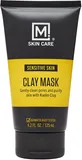
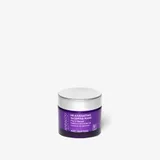
Andalou NaturalsBrightening Pumpkin Honey Glycolic MaskYOUR PRODUCTAndalou NaturalsAge Defying Rejuvenating Sleeping MaskM. Skin CareSensitive Skin Clay MaskElizabeth GrantWonder Effect Detoxifying Mask
Match—57%56%56%
Price$13.38$17.99+$4.61——
Shared key ingredients—9 of 143 of 143 of 14
Key difference—BakuchiolNiacinamidePalmitoyl Tetrapeptide-7
Irritancy High High Medium Medium
Drying alcohol————
View product Shop Shop Shop

More alternatives: PSA Skin Follow The Light Multi Acids and Vitamin C Radiance PeelCaudalie Vinoperfect Glycolic Peel Mask

Cheaper alternatives? See how this stacks up against similar formulas.
We compare ingredient profiles across our catalog — pick the closest match for your budget.
Open dupe finder

Product summary

"Andalou Naturals - Brightening Pumpkin Honey Glycolic Mask" is effective for: Exfoliation, Evens skin tone and Anti-aging

This product could be helpful for: Moisturizing, but its actives are not the most effective or are not well-studied.

Ingredient callouts

  • This product contains acids (glycolic acid 0.50% - 1.10%). Their concentration is low, and they will not have a strong exfoliating effect. Instead, they work to support the skin natural acid mantle and to attract water (as humectants).
  • Humectants (sodium hyaluronate 0.15% - 0.60% and glycerin 2.90% - 4.30%). These ingredients help attract water to the upper layer of the skin and improve the skin hydration.

About the brand

According to Cruelty-Free Kitty "Andalou Naturals" is cruelty free and so is its parent company.

Price

The product retails for 15.99$ in the United States, for 42.93CA$ in Canada, for 18.50A$ in Australia and for 97.75£ in the United Kingdom.

For a detailed price comparison: click here.

Sources cited in this review

Every concentration estimate and effectiveness label is anchored to one of these 30 studies and safety reviews.

  1. 1
  2. 2
  3. 3
  4. 4
  5. 5
  6. 6
Andalou Naturals Brightening Pumpkin Honey Glycolic Mask
Andalou NaturalsBrightening Pumpkin Honey Glycolic Mask