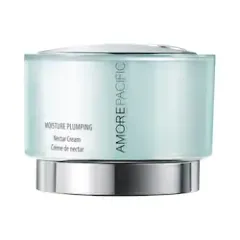
Works for:
based on ingredients and %- Anti-aging
- Moisturizing
- Anti-oxidation
- Evens skin tone
Can it cause trouble?
- Irritation risk: high
- Comedogenic risk ingredients: 1
Key actives


Anti-aging
What does the product description say?
Fine Lines and Wrinkles, Dryness, and Loss of Firmness and Elasticity Formulation.
Source: Sephora
This product can help reduce and prevent fine lines and wrinkles, improve skin elasticity and firmness because it contains adenosine.
These ingredients in the product can also be helpful, even though there is less evidence for their effectiveness: epigallocatechin gallate.
Keep in mind that it typically takes at least 6 weeks to notice any results because the changes that are needed to improve fine lines and elasticity happen in the deeper layers of the skin. No topical anti-aging product can “erase” wrinkles or fully reverse signs of aging.
Might help improve cell turnover and reduce inflammation in skin. One study shows that the ingredients might be able to help reduce dynamic wrinkles (for example, in the corners of the eyes or on the forehead)
A polyphenol found in tea. This particular compound abbreviated EGCG is the most powerful antioxidant among those extracted from tea (usually green tea). Unfortunately, EGCG is unstable, requires a low pH (below 4) to prevent quick degradation, and does not penetrate the skin very well. This is why the full anti-oxidant effect of EGCG is typically not realized when it is added to topical skincare
A plant oil that helps to soften the upper layer of the skin and can help restore the skin barrier. Might have some anti-oxidant effect
A great moisturising ingredient that softens the skin and reduces water loss from its upper layer. It also can be helpful in protecting skin from free radicals
This oil's cmposition is closest to rapeseed oil. It is a very stable oil and serves as an emoillient
Can contain potent anti-oxidant compounds (abbreviated ECG, GCG, EGC, and EGCG) that might help protect the skin from free radicals. Can help calm down inflammation and has some anti-bacterial properties. Unfortunately, these antioxidants are unstable and lose their effectiveness very quickly in products. The concentration of the antioxidant compounds in the extract also tends to be low to be effective in topical formulation
Pure form of vitamin E. Can help moisturise and protect the skin from free radicals. Often used to help stabilise other ingredients or the formula itself
Moisturizing
What does the product description say?
Crème hydratante repulpante Nectar
Source: From product name
This product can help improve hydration of the skin with the two types of ingredients.
The first type is called “humectants”:
these ingredients help attract water.
When humectants are on the surface of the skin, they “pull in” the moisture from the outside environment, or from
within deeper layers of the skin. The following ingredients in this product do the job:
camellia sinensis seed oil, glycerin.
This product also contains ingredients called “occlusives”. They help reduce the speed with which our skin loses moisture to the outside environment. These ingredients also help soften the upper layer of the skin, so it feels less tight and nicer to the touch. The following ingredients in this product do the job: butyrospermum parkii butter, squalane.
The following ingredients in this product are especially good for supporting the skin barrier and helping with the hydration level: ceramide np, panthenol
Helps attract water to the upper layer of the skin and can help improve skin barrier function
An emollient that is naturally found in skin
A type of lipid similar to ceramides naturally present in skin. Helps to soften the upper layer of the skin and supports the skin barrier function to keep it hydrated. Can help to prevent inflammation in skin
One of the best moisturizing ingredients. Naturally present in skin. It attracts water to the upper layer of the skin working as a humectant
An oil naturally present in skin. Works as an emollient to soften the skin and form a protective layer on its surface without a greasy feeling.
A great moisturising ingredient that softens the skin and reduces water loss from its upper layer. It also can be helpful in protecting skin from free radicals
This oil's cmposition is closest to rapeseed oil. It is a very stable oil and serves as an emoillient
A plant oil that helps to soften the upper layer of the skin and can help restore the skin barrier. Might have some anti-oxidant effect
Might help improve cell turnover and reduce inflammation in skin. One study shows that the ingredients might be able to help reduce dynamic wrinkles (for example, in the corners of the eyes or on the forehead)
Used to create a nice product consistency while softening the upper layer of the skin
Used to create a nice product texture and help delivery of other ingredients. Might be somewhat helpful in attracting water to the upper layer of the skin
Helps preserve products and creates a nice product texture
A polyphenol found in tea. This particular compound abbreviated EGCG is the most powerful antioxidant among those extracted from tea (usually green tea). Unfortunately, EGCG is unstable, requires a low pH (below 4) to prevent quick degradation, and does not penetrate the skin very well. This is why the full anti-oxidant effect of EGCG is typically not realized when it is added to topical skincare
An emollient that can also help water and oil mix together, as well as prevent bacteria growth in products
An emollient that is naturally present in skin and helps soften it
Pure form of vitamin E. Can help moisturise and protect the skin from free radicals. Often used to help stabilise other ingredients or the formula itself
Helps oil and water mix together and works as an emollient
Can contain potent anti-oxidant compounds (abbreviated ECG, GCG, EGC, and EGCG) that might help protect the skin from free radicals. Can help calm down inflammation and has some anti-bacterial properties. Unfortunately, these antioxidants are unstable and lose their effectiveness very quickly in products. The concentration of the antioxidant compounds in the extract also tends to be low to be effective in topical formulation
Anti-oxidation
This product contains antioxidants (epigallocatechin gallate) that might be able to help neutralize free radicals in skin to lessen the damage it gets from the UV light (sun). There is not enough evidence to confirm their effectiveness in skin though.
A polyphenol found in tea. This particular compound abbreviated EGCG is the most powerful antioxidant among those extracted from tea (usually green tea). Unfortunately, EGCG is unstable, requires a low pH (below 4) to prevent quick degradation, and does not penetrate the skin very well. This is why the full anti-oxidant effect of EGCG is typically not realized when it is added to topical skincare
A plant oil that helps to soften the upper layer of the skin and can help restore the skin barrier. Might have some anti-oxidant effect
Might help improve cell turnover and reduce inflammation in skin. One study shows that the ingredients might be able to help reduce dynamic wrinkles (for example, in the corners of the eyes or on the forehead)
A great moisturising ingredient that softens the skin and reduces water loss from its upper layer. It also can be helpful in protecting skin from free radicals
Might be helpful in neutralizing free radicals. Can have a dehydration effect that might somewhat decrease the look of puffy eyes
This oil's cmposition is closest to rapeseed oil. It is a very stable oil and serves as an emoillient
Pure form of vitamin E. Can help moisturise and protect the skin from free radicals. Often used to help stabilise other ingredients or the formula itself
Can contain potent anti-oxidant compounds (abbreviated ECG, GCG, EGC, and EGCG) that might help protect the skin from free radicals. Can help calm down inflammation and has some anti-bacterial properties. Unfortunately, these antioxidants are unstable and lose their effectiveness very quickly in products. The concentration of the antioxidant compounds in the extract also tends to be low to be effective in topical formulation
Evens skin tone
The following ingredient (ingredients) in this product might be helpful, but there is no evidence to confirm that it actually works: epigallocatechin gallate.
A polyphenol found in tea. This particular compound abbreviated EGCG is the most powerful antioxidant among those extracted from tea (usually green tea). Unfortunately, EGCG is unstable, requires a low pH (below 4) to prevent quick degradation, and does not penetrate the skin very well. This is why the full anti-oxidant effect of EGCG is typically not realized when it is added to topical skincare
Can contain potent anti-oxidant compounds (abbreviated ECG, GCG, EGC, and EGCG) that might help protect the skin from free radicals. Can help calm down inflammation and has some anti-bacterial properties. Unfortunately, these antioxidants are unstable and lose their effectiveness very quickly in products. The concentration of the antioxidant compounds in the extract also tends to be low to be effective in topical formulation
How honest is this product?
| Promise | Can it deliver? |
|---|---|
| Anti-aging | |
| Moisturizing |
Total Promises Fulfilled score: 100/100.
Potential irritants
Comedogenic ingredients
User reviews (0)
Averages from community submissions.
No reviews yet for this product.
Be the first to share your experience!
Tried this product?
Help capture what the ingredient list can't—texture, finish, pilling, scent, and more. Answer what you can, skip the rest.
Takes ~30 seconds.
Reviews are shown in aggregate. No personal details.
| Product | Similarity | Price | Irritancy |
|---|---|---|---|
 AMOREPACIFIC Crème hydratante repulpante Nectar | Current | - | |
23 years old Bakuchiol A Cream | 56% | $24.71 | |
 skinmade Azelaic Acid + Salicylic Acid serum | 56% | - | |
Paula's choice Antioxidant Pore Purifier | 56% | $11.00 | |
 PYUNKANG YUL Black Tea Deep Infusion Toner | 55% | $18.99 | |
 Thank You Farmer True Water Deep Cotton Mask | 55% | ≈ $5.29 |
Key Actives
Can contain potent anti-oxidant compounds (abbreviated ECG, GCG, EGC, and EGCG) that might help protect the skin from free radicals. Can help calm down inflammation and has some anti-bacterial properties. Unfortunately, these antioxidants are unstable and lose their effectiveness very quickly in products. The concentration of the antioxidant compounds in the extract also tends to be low to be effective in topical formulation
A polyphenol found in tea. This particular compound abbreviated EGCG is the most powerful antioxidant among those extracted from tea (usually green tea). Unfortunately, EGCG is unstable, requires a low pH (below 4) to prevent quick degradation, and does not penetrate the skin very well. This is why the full anti-oxidant effect of EGCG is typically not realized when it is added to topical skincare
Pure form of vitamin E. Can help moisturise and protect the skin from free radicals. Often used to help stabilise other ingredients or the formula itself
A great moisturising ingredient that softens the skin and reduces water loss from its upper layer. It also can be helpful in protecting skin from free radicals
A plant oil that helps to soften the upper layer of the skin and can help restore the skin barrier. Might have some anti-oxidant effect
This oil's cmposition is closest to rapeseed oil. It is a very stable oil and serves as an emoillient
Helps attract water to the upper layer of the skin and can help improve skin barrier function
A type of lipid similar to ceramides naturally present in skin. Helps to soften the upper layer of the skin and supports the skin barrier function to keep it hydrated. Can help to prevent inflammation in skin
Might help improve cell turnover and reduce inflammation in skin. One study shows that the ingredients might be able to help reduce dynamic wrinkles (for example, in the corners of the eyes or on the forehead)
An emollient that is naturally found in skin
Might be helpful in neutralizing free radicals. Can have a dehydration effect that might somewhat decrease the look of puffy eyes
One of the best moisturizing ingredients. Naturally present in skin. It attracts water to the upper layer of the skin working as a humectant
An oil naturally present in skin. Works as an emollient to soften the skin and form a protective layer on its surface without a greasy feeling.
Potential irritants
Can be drying and contribute to skin irritation. Used in formulars to dissolve other ingredients, create a thinner product consistency or for its antibacterial properties
An aromatic blend of unspecified and possibly irritating ingredients
A fragrance. Can trigger allergic reactions and be irritating
A common frangrance that can easily irritate skin, especially if exposed to air, light or heat
A fragrance. Potential allergen and can be irritating
Helps preserve products and creates a nice product texture
Can work as an exfoliant but is typically used to adjust the product pH
Might be helpful in neutralizing free radicals. Can have a dehydration effect that might somewhat decrease the look of puffy eyes
Comedogenic ingredients
A great moisturising ingredient that softens the skin and reduces water loss from its upper layer. It also can be helpful in protecting skin from free radicals
All ingredients
A great moisturising ingredient that softens the skin and reduces water loss from its upper layer. It also can be helpful in protecting skin from free radicals
One of the best moisturizing ingredients. Naturally present in skin. It attracts water to the upper layer of the skin working as a humectant
Acts as a solvent for other ingredients. Speeds up the absorption of other ingredients into the skin
A type of silicone that helps create a silky product finish and dissolve other ingredients
Used to create a nice product consistency while softening the upper layer of the skin
Used to create a nice product texture and help delivery of other ingredients. Might be somewhat helpful in attracting water to the upper layer of the skin
Can be drying and contribute to skin irritation. Used in formulars to dissolve other ingredients, create a thinner product consistency or for its antibacterial properties
A plant oil that helps to soften the upper layer of the skin and can help restore the skin barrier. Might have some anti-oxidant effect
An oil naturally present in skin. Works as an emollient to soften the skin and form a protective layer on its surface without a greasy feeling.
This oil's cmposition is closest to rapeseed oil. It is a very stable oil and serves as an emoillient
Helps attract water to the upper layer of the skin and can help improve skin barrier function
Helps to retain moisture by creating a protective barrier on the skin. Rich in fatty acids. Improves product texture and helps with the penetration of other ingredients.
Pure form of vitamin E. Can help moisturise and protect the skin from free radicals. Often used to help stabilise other ingredients or the formula itself
A type of lipid similar to ceramides naturally present in skin. Helps to soften the upper layer of the skin and supports the skin barrier function to keep it hydrated. Can help to prevent inflammation in skin
An aromatic blend of unspecified and possibly irritating ingredients
A preservative. It helps prevent bacterial growth in cosmetic products
An emollient that can also help water and oil mix together, as well as prevent bacteria growth in products
Might help improve cell turnover and reduce inflammation in skin. One study shows that the ingredients might be able to help reduce dynamic wrinkles (for example, in the corners of the eyes or on the forehead)
An emollient that is naturally present in skin and helps soften it
A fragrance. Can trigger allergic reactions and be irritating
A common frangrance that can easily irritate skin, especially if exposed to air, light or heat
A fragrance. Potential allergen and can be irritating
Can contain potent anti-oxidant compounds (abbreviated ECG, GCG, EGC, and EGCG) that might help protect the skin from free radicals. Can help calm down inflammation and has some anti-bacterial properties. Unfortunately, these antioxidants are unstable and lose their effectiveness very quickly in products. The concentration of the antioxidant compounds in the extract also tends to be low to be effective in topical formulation
Helps preserve products and creates a nice product texture
Can work as an exfoliant but is typically used to adjust the product pH
Increases thickness of a product. Texture enhancer for oil-in-water emulsions
Might be helpful in neutralizing free radicals. Can have a dehydration effect that might somewhat decrease the look of puffy eyes
A polyphenol found in tea. This particular compound abbreviated EGCG is the most powerful antioxidant among those extracted from tea (usually green tea). Unfortunately, EGCG is unstable, requires a low pH (below 4) to prevent quick degradation, and does not penetrate the skin very well. This is why the full anti-oxidant effect of EGCG is typically not realized when it is added to topical skincare
Ingredient list view
Phyllostachys bambusoides juice, Water, Butyrospermum parkii butter, Glycerin, Propanediol, Methyl trimethicone, Pentaerythrityl tetraethylhexanoate, Butylene glycol, Alcohol, Camellia sinensis seed oil, 1,2-hexanediol, Squalane, Limnanthes alba seed oil, Sodium carbomer, Panthenol, Hydrogenated lecithin, Phytosteryl/behenyl/octyldodecyl lauroyl glutamate, Tocopherol, Ceramide np, Cholesterol, Parfum, Phenoxyethanol, Xanthan gum, Glyceryl caprylate, Stearic acid, Ethylhexylglycerin, Adenosine, Palmitic acid, Linalool, Butylphenyl methylpropional, Limonene, Geraniol, Alpha-isomethyl ionone, Citronellol, Nelumbo nucifera flower extract, Camellia sinensis leaf extract, Caprylyl glycol, Citric acid, Phytantriol, Poloxamer 407, Ammonium acryloyldimethyltaurate/vp copolymer, Caffeine, Theanine, Epigallocatechin gallate, Kaempferol, Camellia sinensis flower extract, Bambusa arundinacea stem extract
- Glycerol and the skin: holistic approach to its origin and functions
- Safety Assessment of Pentaerythrityl Tetraesters as Used in Cosmetics
- Characteristics of Tea Seed Oil in Comparison with Sunflower and Olive Oils and Its Effect as a Natural Antioxidant
- The influence of alkane chain length on the skin irritation potential of 1,2-alkanediols
- Skin moisturizing effects of panthenol-based formulations
- Safety Assessment of Panthenol, Pantothenic Acid, and Derivatives as Used in Cosmetics
- Vitamin E in dermatology
- Vitamin E and Skin Health
- Skin hydration is significantly increased by a cream formulated to mimic the skin’s own natural moisturizing systems
- Topically Applied Ceramides Interact with the Stratum Corneum Lipid Matrix in Compromised Ex Vivo Skin
- Evaluation of anti-wrinkle efficacy of adenosine-containing products using the FOITS technique
- Annex I: Clinical evidence regarding sensitisation to individual fragrance chemicals and to natural extracts
- Great green tea ingredient? A narrative literature review on epigallocatechin gallate and its biophysical properties for topical use in dermatology
- Comparative Evaluation of Different Co-Antioxidants on the Photochemical- and Functional-Stability of Epigallocatechin-3-gallate in Topical Creams Exposed to Simulated Sunlight
- Photodegradation of (−)-epigallocatechin-3-gallate in topical cream formulations and its photostabilization