AESTURA ATOBARRIER365 Hydro Essence with Hydrating Amino Acids for Skin Moisture Barrier Repair
Works for
1 of 1 advertised claim delivered
Moisturizing29 ingredients credited for this claimStrong support
“ATOBARRIER365 Hydro Essence with Hydrating Amino Acids for Skin Moisture Barrier Repair”
This product can help improve hydration of the skin with the two types of ingredients.
The first type is called “humectants”:
these ingredients help attract water.
When humectants are on the surface of the skin, they “pull in” the moisture from the outside environment, or from
within deeper layers of the skin. The following ingredients in this product do the job:
alanine, aspartic acid.
This product also contains ingredients called “occlusives”. They help reduce the speed with which our skin loses moisture to the outside environment. These ingredients also help soften the upper layer of the skin, so it feels less tight and nicer to the touch. The following ingredients in this product do the job: squalane, cholesterol.
The following ingredients in this product are especially good for supporting the skin barrier and helping with the hydration level: urea
Anti-agingNot advertised by the brand · 8 ingredients credited for this claimModerate support
This product contains aspartic acid, creatine, lysine, serine, threonine. These ingredients might be able to help reduce and prevent fine lines and wrinkles, improve skin elasticity and firmness, but there is not enough evidence that it actually works.
Anti-oxidationNot advertised by the brand · 3 ingredients credited for this claimModerate support
This product contains antioxidants (creatine, cysteine) that might be able to help neutralize free radicals in skin to lessen the damage it gets from the UV light (sun). There is not enough evidence to confirm their effectiveness in skin though.
Can it cause trouble?
Irritancy6 flagged ingredientsMedium risk
ComedogenicClean of flagged comedogenic ingredientsNone flagged
User reviews
Be the first — your take helps the next person decide.
Ingredients
Filter by role to see what each ingredient is doing.
Water~40–60%
Butylene glycol~4.4–6.6%
- Irritation risk
- Low
Used to create a nice product texture and help delivery of other ingredients. Might be somewhat helpful in attracting water to the upper layer of the skin
More about Butylene glycolGlycerin~2.8–4.2%
- Irritation risk
- Low
One of the best moisturizing ingredients. Naturally present in skin. It attracts water to the upper layer of the skin working as a humectant
More about GlycerinSqualane~2.3–3.5%
- Irritation risk
- Low
An oil naturally present in skin. Works as an emollient to soften the skin and form a protective layer on its surface without a greasy feeling.
More about Squalane1,2-hexanediol~0.9–1.3%
Acrylates/c10-30 alkyl acrylate crosspolymer~1.4–2.1%
- Irritation risk
- Medium
Maintains the texture of skincare products. Allows the product to spread evenly. Helps oil and water mix together
More about Acrylates/c10-30 alkyl acrylate crosspolymerCarbomer~0.95–1.4%
- Irritation risk
- Low
Helps create a thicker or gel-like product texture. It is not a surfactant but can be used in gentle cleansing formulations
More about CarbomerTromethamine~1–1.6%
Glyceryl caprylate~0.85–1.3%
- Irritation risk
- Low
An emollient that can also help water and oil mix together, as well as prevent bacteria growth in products
More about Glyceryl caprylateEthylhexylglycerin~0.45–1%
Disodium edta~0.2–0.75%
Natto gum~0.15–0.65%
- Irritation risk
- Low
Stearic acid~0.15–0.55%
- Irritation risk
- Low
Helps oil and water mix together and works as an emollient
More about Stearic acidHydroxypropyl bispalmitamide mea~0.05–0.3%
Mannitol~0.05–0.15%
- Irritation risk
- Low
Helps to attract water to the upper layer of the skin
More about MannitolPca~0.05–0.2%
- Irritation risk
- Low
Naturally present in skin and helps to attract water to its upper layer
More about PcaLactic acid~0.05–0.2%
- Irritation risk
- Medium
An exfoliating and moisturizing alpha-hydroxy acid (AHA). Typically causes less irritation than other AHAs, for example, glycolic acid. At high concentrations (about 15%), lactic acid can help reduce lines and wrinkles. Recent studies show that lactic acid can support the "good" bacteria living on skin's surface (healthy skin microbiome)
More about Lactic acidGlucose~0.05–0.25%
- Irritation risk
- Low
Helps attract water to the upper layer of the skin. Could be helpful in restoring the skin barrier function
More about GlucoseGlycine~0.05–0.2%
- Irritation risk
- Low
Helps to attract water to the upper layer of the skin and can help restore the skin barrier function
More about GlycineUrea~0.05–0.2%
- Irritation risk
- Low
Naturally present in skin (urea makes up about 7% of natural moisturizing factors in skin). Attracts water to the upper layer of the skin. Also has a positive effect on the skin barrier beyond the humectant action. Can enhance penetration of other ingredients. Is an exfoliating ingredient when used in high concentrations
More about UreaSodium glycerophosphate~0.05–0.15%
- Irritation risk
- Low
Serine~0.05–0.1%
- Irritation risk
- Low
An amino-acid that helps to attract water to the upper layer of the skin. In combination with other amino-acids, might help to reduce fine lines and wrinkles
More about SerineGlutamic acid~0.01–0.1%
- Irritation risk
- Low
An amino-acid that helps attract water to the upper layer of the skin
More about Glutamic acidTocopherol~0.01–0.1%
- Irritation risk
- Low
Pure form of vitamin E. Can help moisturise and protect the skin from free radicals. Often used to help stabilise other ingredients or the formula itself
More about TocopherolAcrylates/ammonium methacrylate copolymer~0.05–0.15%
- Irritation risk
- Low
Potassium magnesium aspartate~0.05–0.1%
- Irritation risk
- Low
Aspartic acid~0.01–0.05%
- Irritation risk
- Low
An amino-acid that helps increase skin hydration and might help to slightly improve skin firmness, potentially reducing lines and wrinkles
More about Aspartic acidLeucine~0.01–0.05%
- Irritation risk
- Low
Sodium chloride~0.05–0.15%
- Irritation risk
- Low
Used to stabilize mixtures of oil and water, and create thicker, gel-like product textures
More about Sodium chlorideAlanine~0.01–0.05%
- Irritation risk
- Low
An amino-acid that helps to attract water to the upper layer of the skin and might help to lighten the skin, but solid evidence is lacking
More about AlanineLysine~0.01–0.05%
- Irritation risk
- Low
An amino-acid that helps to attract water to the upper layer of the skin. In combination with other amino-acids, might help to reduce fine lines and wrinkles
More about LysineArginine~0.01–0.05%
- Irritation risk
- Low
An amino acid that is naturally present in skin and helps keep it hydrated. When used together with AHAs, it can reduce their irritating effect on the skin
More about ArginineCalcium gluconate~0.05–0.15%
- Irritation risk
- Low
Helps attract water to the upper layer of the skin and helps to improve appearance of the product
More about Calcium gluconateMagnesium gluconate~0.01–0.05%
- Irritation risk
- Low
A mineral that might be able to support skin hydration, but convincing research on its effectiveness in topical skincare is lacking
More about Magnesium gluconateTyrosine~0.01–0.05%
Phenylalanine~0.05–0.15%
- Irritation risk
- Low
Proline~0.01–0.1%
Threonine~0.01–0.1%
- Irritation risk
- Low
An amino-acid that helps to attract water to the upper layer of the skin. In combination with other amino-acids, might help to reduce fine lines and wrinkles
More about ThreonineValine~0.01–0.1%
- Irritation risk
- Low
Isoleucine~0.05–0.1%
- Irritation risk
- Low
An amino acid that can help attract water to the upper layer of the skin and support skin's barrier function
More about IsoleucineCitric acid~0.05–0.15%
- Irritation risk
- Medium
Can work as an exfoliant but is typically used to adjust the product pH
More about Citric acidCholesterol~0.1–0.3%
- Irritation risk
- Low
An emollient that is naturally found in skin
More about CholesterolHistidine~0.05–0.15%
Silica~0.1–0.4%
Acetyl glucosamine~0.01–0.1%
- Irritation risk
- Low
An effective moisturizing ingredient that also has been shown to be effective in evening out the skin tone and reducing hyperpigmentation. It can help somewhat reduce wrinkles in skin
More about Acetyl glucosamineCreatine~0.01–0.1%
- Irritation risk
- Low
Can support skin's ability to neutralize free radicals and produce collagen, though further research is needed to confirm effectiveness
More about CreatineUric acid~0.01–0.1%
- Irritation risk
- Low
Cysteine~0.01–0.1%
- Irritation risk
- Low
Might help neutralize free radicals in skin and might be helpful against hyperpigmentation
More about CysteineMethionine~0.01–0.05%
- Irritation risk
- Low
Ingredient list view
Water, Butylene glycol, Glycerin, Squalane, 1,2-hexanediol, Acrylates/c10-30 alkyl acrylate crosspolymer, Carbomer, Tromethamine, Glyceryl caprylate, Ethylhexylglycerin, Disodium edta, Natto gum, Stearic acid, Hydroxypropyl bispalmitamide mea, Mannitol, Pca, Lactic acid, Glucose, Glycine, Urea, Sodium glycerophosphate, Serine, Glutamic acid, Tocopherol, Acrylates/ammonium methacrylate copolymer, Potassium magnesium aspartate, Aspartic acid, Leucine, Sodium chloride, Alanine, Lysine, Arginine, Calcium gluconate, Magnesium gluconate, Tyrosine, Phenylalanine, Proline, Threonine, Valine, Isoleucine, Citric acid, Cholesterol, Histidine, Silica, Acetyl glucosamine, Creatine, Uric acid, Cysteine, Methionine
Compare prices
Retailers ranked by price — lowest first.

Affiliate links · prices updated regularly
Worth comparing, line by line.
Match % combines shared ingredients, the first five ingredients, shared actives and hero ingredients, irritancy (lower counts in the alternative's favour), texture and body area. Only products in the same routine step are compared.
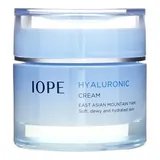
| AESTURAATOBARRIER365 Hydro Essence with Hydrating Amino Acids for Skin Moisture Barrier RepairYOUR PRODUCT | IOPEHyaluronic Cream | EucerinDry Skin Intensive Lotion - 10% Urea | HERAHomme Black Perfect Fluid | |
|---|---|---|---|---|
| Match | — | 58% | 55% | 52% |
| Price | — | $28.50 | $14.00 | $55.50 |
| Shared key ingredients | — | 15 of 19 | 10 of 19 | 18 of 19 |
| Key difference | — | Niacinamide | Lactic Acid | Acetyl Tetrapeptide-11 |
| Irritancy | Medium | Medium | Low | High |
| Drying alcohol | — | Contains drying alcohol | — | Contains drying alcohol |
| View product | Shop | Shop | Shop |



Product summary
Judging from the ingredient list, "AESTURA - ATOBARRIER365 Hydro Essence with Hydrating Amino Acids for Skin Moisture Barrier Repair" works well for improving skin hydration This moisturizer uses a good combo of humectants and emollients. These both types of ingredients are essentials for improving the skin hydration and keeping the skin barrier healthy. Urea, alanine, aspartic acid, glutamic acid and glycerin in this product (humectants) attract water molecules to the upper layer of the skin (the water comes from the outside air or from the deeper layers of the skin if the air is dry). Emollients in this formulation (cholesterol, hydroxypropyl bispalmitamide mea, squalane and glyceryl caprylate) help to reduce the moisture loss from the skin. They also soften the skin surface and relieve the feeling of dryness and tightness.
This product contains ingredients that could be beneficial, but their concentrations are too low in this formulation: acetyl glucosamine, arginine, vitamin e, lactic acid and stearic acidIrritation risk
This product does not contain known common irritants and is suitable for sensitive skin. We assess the overall irritancy of this moisturizer to be medium. For a detailed overview of all potential irritants: click here
You can see the detailed formula review with the breakdown of all actives in the product and the full ingredient list with estimated concentrations in the tables below.
Sources cited in this review
Every concentration estimate and effectiveness label is anchored to one of these 27 studies and safety reviews.
- 1
- 2
- 3Safety Assessment of Tromethamine as Used in Cosmeticscir-safety.org
- 4Epidermal and dermal effects of topical lactic acidncbi.nlm.nih.gov
- 5Dual Effects of Alpha-Hydroxy Acids on the Skinpdfs.semanticscholar.org
- 6

Affiliate links · As an Amazon Associate, WIMJ earns from qualifying purchases.