Works for:
based on ingredients and %- Moisturizing
Doesn't work for:
based on ingredients and %- Anti-aging
- Anti-oxidation
Can it cause trouble?
- Irritation risk: high
- Comedogenic risk ingredients: 7
Key actives

Product Summary
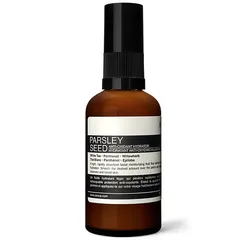
"Aesop - Parsley Seed Anti-Oxidant Facial Hydrator" is effective for: Reduces redness and Moisturizing
This product could be helpful for: Anti-oxidation, but its actives are not the most effective or are not well-studied.
Ingredient callouts
- Humectants (panthenol 0.45% - 0.70% and glycerin 3.90% - 4.70%). These ingredients help attract water to the upper layer of the skin and improve the skin hydration.
About the brand
According to Cruelty-Free Kitty "Aesop" is cruelty free and so is its parent company.
Price
The product retails from 47.00$ up to 70.48$ in the United States, from 47.00£ up to 73.21£ in the United Kingdom and for 93.00CA$ in Canada.
For a detailed price comparison: click here.
Moisturizing
What does the product description say?
Aesop Parsley Seed Anti-Oxidant Facial Hydrator (60ml) is an ultra-nourishing moisturiser that delivers a generous amount of botanicals, vitamins and essential oils to hydrate and protect your skin.
Source: Mankind
This product can help improve hydration of the skin with the two types of ingredients.
The first type is called “humectants”:
these ingredients help attract water.
When humectants are on the surface of the skin, they “pull in” the moisture from the outside environment, or from
within deeper layers of the skin. The following ingredients in this product do the job:
glycerin.
This product also contains ingredients called “occlusives”. They help reduce the speed with which our skin loses moisture to the outside environment. These ingredients also help soften the upper layer of the skin, so it feels less tight and nicer to the touch. The following ingredients in this product do the job: cocos nucifera oil, glycine soja oil.
An emollient. Found to be as effective as a moisturizer for dry skin as mineral oil. Could be comedogenic
A good emoillient. Contains vitamin E which can help neutralise free radicals, however the oil is unstable. Avoid if you have gluten or wheat sensitivity (including food allergies).
A good emollient that helps soften the skin and helps repair its barrier function. It can clog pores if used in high concentrations.
Helps soften the upper layer of the skin
One of the best moisturizing ingredients. Naturally present in skin. It attracts water to the upper layer of the skin working as a humectant
Helps soften the upper layer of the skin and can be helpful in restoring the skin barrier function. Might have some anti-oxidant effect
A non-drying alcohol. Works as an emollient. Helps water and oil mix together and creates a nice product texture
Plant oil from nuts that helps soften the upper layer of the skin. Contains a high concentration of oleic acid that can weaken skin's barrier function and increase water-loss while enhancing penetration of other ingredients
An emollient that softens the skin and forms a protective layer on its surface. Helps water and oil mix together
Helps oil and water mix together and works as an emollient
An exfoliating and moisturizing alpha-hydroxy acid (AHA). Typically causes less irritation than other AHAs, for example, glycolic acid. At high concentrations (about 15%), lactic acid can help reduce lines and wrinkles. Recent studies show that lactic acid can support the "good" bacteria living on skin's surface (healthy skin microbiome)
A great moisturising ingredient that softens the skin and reduces water loss from its upper layer. It also can be helpful in protecting skin from free radicals
Traditionally used to treat sunburns, dermatitis and inflammation, but evidence for its effectiveness is lacking. The extract can contain humectants that help attract water into the skin
Pure form of vitamin E. Can help moisturise and protect the skin from free radicals. Often used to help stabilise other ingredients or the formula itself
Anti-oxidation
This product contains antioxidants (theobroma cacao seed butter). In theory, they could help neutralize free radicals in skin and lessen the damage it gets from the UV light (sun), but there is no evidence that these ingredients can have a noticeable effect in skin.
Helps soften the upper layer of the skin and can be helpful in restoring the skin barrier function. Might have some anti-oxidant effect
A good emoillient. Contains vitamin E which can help neutralise free radicals, however the oil is unstable. Avoid if you have gluten or wheat sensitivity (including food allergies).
Carrot extract. Might have anti-oxidant properties and be used to add orange color
Pure form of vitamin E. Can help moisturise and protect the skin from free radicals. Often used to help stabilise other ingredients or the formula itself
A great moisturising ingredient that softens the skin and reduces water loss from its upper layer. It also can be helpful in protecting skin from free radicals
Anti-aging
What does the product description say?
Blending parsley seed with extracts of witch hazel, bergamot, cedar wood and lavender, the formula looks to prevent the effects of premature ageing while strengthening its natural defences.
Source: Cultbeauty
Effective ingredients missing or their concentration is too low.
An exfoliating and moisturizing alpha-hydroxy acid (AHA). Typically causes less irritation than other AHAs, for example, glycolic acid. At high concentrations (about 15%), lactic acid can help reduce lines and wrinkles. Recent studies show that lactic acid can support the "good" bacteria living on skin's surface (healthy skin microbiome)
Pure form of vitamin E. Can help moisturise and protect the skin from free radicals. Often used to help stabilise other ingredients or the formula itself
A great moisturising ingredient that softens the skin and reduces water loss from its upper layer. It also can be helpful in protecting skin from free radicals
Traditionally used to treat sunburns, dermatitis and inflammation, but evidence for its effectiveness is lacking. The extract can contain humectants that help attract water into the skin
How honest is this product?
| Promise | Can it deliver? |
|---|---|
| Moisturizing | |
| Anti-aging |
Total Promises Fulfilled score: 37/100.
We receive a small commission for purchases made through these links at no cost for you. Thank you for your support! Learn more
Potential irritants
Comedogenic ingredients
User reviews (0)
Averages from community submissions.
No reviews yet for this product.
Be the first to share your experience!
Tried this product?
Help capture what the ingredient list can't—texture, finish, pilling, scent, and more. Answer what you can, skip the rest.
Takes ~30 seconds.
Reviews are shown in aggregate. No personal details.
| Product | Similarity | Price | Irritancy |
|---|---|---|---|
 Aesop Parsley Seed Anti-Oxidant Facial Hydrator | Current | ≈ $63.07 | |
 SheaMoisture Shea Butter & Azelaic Acid Moisturizing Face Lotion | 39% | - | |
 Baby Bum Moisturizing Lotion - Green Coconut - Green Coconut | 38% | - | |
 Neal's Yard Remedies Create Your Own Face and Body Lotion | 38% | - | |
 Energie Fruit My Moisturizing Milk With Organic Monoi and Macadamia Oil | 38% | ≈ $8.19 | |
 SVR Sun Secure After Sun | 37% | ≈ $6.64 |
Key Actives
Pure form of vitamin E. Can help moisturise and protect the skin from free radicals. Often used to help stabilise other ingredients or the formula itself
A great moisturising ingredient that softens the skin and reduces water loss from its upper layer. It also can be helpful in protecting skin from free radicals
Helps soften the upper layer of the skin and can be helpful in restoring the skin barrier function. Might have some anti-oxidant effect
A good emoillient. Contains vitamin E which can help neutralise free radicals, however the oil is unstable. Avoid if you have gluten or wheat sensitivity (including food allergies).
One of the best moisturizing ingredients. Naturally present in skin. It attracts water to the upper layer of the skin working as a humectant
Helps soften the upper layer of the skin
An emollient. Found to be as effective as a moisturizer for dry skin as mineral oil. Could be comedogenic
A good emollient that helps soften the skin and helps repair its barrier function. It can clog pores if used in high concentrations.
Potential irritants
A plant oil with a high content of volatile compounds that can irritate the skin and lead to allergic reactions. Can lead to photosensitivity
A plant oil with high content of volatile compounds that, especially when exposed to air, can cause allergic reactions and irritate the skin
A common frangrance that can easily irritate skin, especially if exposed to air, light or heat
Helps oil and water mix together. Has some emollient properties
Plant oil from nuts that helps soften the upper layer of the skin. Contains a high concentration of oleic acid that can weaken skin's barrier function and increase water-loss while enhancing penetration of other ingredients
A good emollient that helps soften the skin and helps repair its barrier function. It can clog pores if used in high concentrations.
An exfoliating and moisturizing alpha-hydroxy acid (AHA). Typically causes less irritation than other AHAs, for example, glycolic acid. At high concentrations (about 15%), lactic acid can help reduce lines and wrinkles. Recent studies show that lactic acid can support the "good" bacteria living on skin's surface (healthy skin microbiome)
Traditionally used to treat sunburns, dermatitis and inflammation, but evidence for its effectiveness is lacking. The extract can contain humectants that help attract water into the skin
Comedogenic ingredients
A non-drying alcohol. Works as an emollient. Helps water and oil mix together and creates a nice product texture
Helps oil and water mix together. Has some emollient properties
An emollient. Found to be as effective as a moisturizer for dry skin as mineral oil. Could be comedogenic
A great moisturising ingredient that softens the skin and reduces water loss from its upper layer. It also can be helpful in protecting skin from free radicals
Helps soften the upper layer of the skin and can be helpful in restoring the skin barrier function. Might have some anti-oxidant effect
A good emoillient. Contains vitamin E which can help neutralise free radicals, however the oil is unstable. Avoid if you have gluten or wheat sensitivity (including food allergies).
A good emollient that helps soften the skin and helps repair its barrier function. It can clog pores if used in high concentrations.
All ingredients
One of the best moisturizing ingredients. Naturally present in skin. It attracts water to the upper layer of the skin working as a humectant
A non-drying alcohol. Works as an emollient. Helps water and oil mix together and creates a nice product texture
Helps oil and water mix together. Has some emollient properties
An emollient. Found to be as effective as a moisturizer for dry skin as mineral oil. Could be comedogenic
Plant oil from nuts that helps soften the upper layer of the skin. Contains a high concentration of oleic acid that can weaken skin's barrier function and increase water-loss while enhancing penetration of other ingredients
A plant oil with a high content of volatile compounds that can irritate the skin and lead to allergic reactions. Can lead to photosensitivity
An emollient that softens the skin and forms a protective layer on its surface. Helps water and oil mix together
Helps oil and water mix togehter and creates a nice product texture
A preservative. It helps prevent bacterial growth in cosmetic products
Pure form of vitamin E. Can help moisturise and protect the skin from free radicals. Often used to help stabilise other ingredients or the formula itself
A great moisturising ingredient that softens the skin and reduces water loss from its upper layer. It also can be helpful in protecting skin from free radicals
Helps soften the upper layer of the skin and can be helpful in restoring the skin barrier function. Might have some anti-oxidant effect
A good emoillient. Contains vitamin E which can help neutralise free radicals, however the oil is unstable. Avoid if you have gluten or wheat sensitivity (including food allergies).
A good emollient that helps soften the skin and helps repair its barrier function. It can clog pores if used in high concentrations.
An exfoliating and moisturizing alpha-hydroxy acid (AHA). Typically causes less irritation than other AHAs, for example, glycolic acid. At high concentrations (about 15%), lactic acid can help reduce lines and wrinkles. Recent studies show that lactic acid can support the "good" bacteria living on skin's surface (healthy skin microbiome)
A plant oil with high content of volatile compounds that, especially when exposed to air, can cause allergic reactions and irritate the skin
Traditionally used to treat sunburns, dermatitis and inflammation, but evidence for its effectiveness is lacking. The extract can contain humectants that help attract water into the skin
Carrot extract. Might have anti-oxidant properties and be used to add orange color
A common frangrance that can easily irritate skin, especially if exposed to air, light or heat
Ingredient list view
Water, Glycerin, Prunus amygdalus dulcis seed, Stearic acid, Cetearyl alcohol, Ceteareth-20, Cocos nucifera oil, Macadamia ternifolia seed oil, Citrus aurantium bergamia fruit oil, Glyceryl stearate, Peg-100 stearate, Phenoxyethanol, Tocopherol, Butyrospermum parkii butter, Theobroma cacao seed butter, Potassium lactate, Citrus aurantium amara flower oil, Vetiveria zizanoides root oil, Triticum vulgare germ oil, Glycine soja oil, Lactic acid, Citrus grandis peel oil, Fusanus spicatus wood oil, Disodium edta, Benzoic acid, Dehydroacetic acid, Ethylhexylglycerin, Aloe barbadensis leaf juice, Daucus carota sativa root extract, Beta-carotene, Limonene, Linalool, Farnesol, Citral
- Glycerol and the skin: holistic approach to its origin and functions
- Fatty acids profile of oil from nine varieties of Macadamia nut
- Safety Assessment of Citrus-Derived Peel Oils as Used in Cosmetics
- Oxidized citrus oil (R-limonene): A frequent skin sensitizer in Europe
- Air oxidation increases skin irritation from fragrance terpenes
- Vitamin E in dermatology
- Vitamin E and Skin Health
- Cocoa polyphenols and their influence on parameters involved in ex vivo skin restructuring
- Biological Activities and Safety of Citrus spp. Essential Oils
- Epidermal and dermal effects of topical lactic acid
- Dual Effects of Alpha-Hydroxy Acids on the Skin
- 4 Final Report on the Safety Assessment of Sodium Dehydroacetate and Dehydroacetic Acid