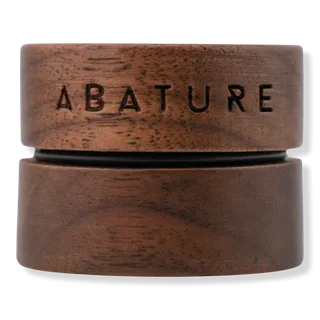
Works for
MoisturizingLimnanthes alba seed oil, Caprylic/capric triglyceride + 13 moreWorks
“The Lip Butters are ultra-hydrating, plant-powered balms with 10x natural vitamin E. They nourish, smooth, protect, and support long-lasting moisture and lip barrier health, with antioxidants, and nutrient rich ocean actives, in clean, plastic-free formulas.”
This product can help soften the skin and reduce its moisture loss with emollients and occlusives: caprylic/capric triglyceride, ricinus communis seed oil.
Keep in mind that this product does not contain effective ingredients to attract water to the upper layer of the skin. This is why an additional product with humectants like glycerin or hyaluronic acid can be helpful (apply it before this product for the best results).
Anti-agingTetrahexyldecyl ascorbate ~0.15–0.65% + 1 moreUnder-dosed
“Liposoluble Vitamin C penetrates effectively to help protect against cell damage and support collagen production”
Effective ingredients missing or their concentration is too low.
Can it cause trouble?
Irritancy3 strong irritants: Silybum marianum seed oil, Citrus aurantium bergamia peel oil + 1 more — patch-test recommendedHigh risk
Comedogenic2 ingredients rated 2 or more on the 0–5 pore-clogging scale2 flagged
User reviews
Be the first — your take helps the next person decide.
Ingredients
Filter by role to see what each ingredient is doing.
Limnanthes alba seed oil~22–33%
- Irritation risk
- Low
This oil's cmposition is closest to rapeseed oil. It is a very stable oil and serves as an emoillient
More about Limnanthes alba seed oilPersea gratissima oil~4.5–6.8%
- Irritation risk
- Medium
An emollient that helps soften the skin and could be helpful in repairing its barrier function
More about Persea gratissima oilCaprylic/capric triglyceride~4.9–7.3%
- Irritation risk
- Medium
A good mix of fatty acids that forms a protective layer on the skin. Improves the shelf life of products. Derived from coconut and glycerin
More about Caprylic/capric triglycerideTriisostearin~3.8–5.8%
- Irritation risk
- Low
Moringa oleifera seed oil~3–4.6%
- Irritation risk
- Medium
A plant oil that helps soften the upper layer of the skin. Is unlikely to be helpful in restoring skin barrier function due to the low content of linoleic acid
More about Moringa oleifera seed oilRicinus communis seed oil~2.4–3.6%
- Irritation risk
- Medium
A plant oil that can help soften the skin. It might be helpful in calming down inflammation, but solid research is lacking. Is often used in lip products to create the needed product consistency
More about Ricinus communis seed oilTribehenin~1.7–2.6%
- Irritation risk
- Low
Used to create a thicker product consistency and soften the upper layer of the skin
More about TribeheninPrunus amygdalus dulcis seed~1.3–2%
- Irritation risk
- Low
Helps soften the upper layer of the skin
More about Prunus amygdalus dulcis seedPolyhydroxystearic acid~1.1–1.6%
- Irritation risk
- Medium
Used to create a thicker product consistency and stabilize the formulation
More about Polyhydroxystearic acidHydrogenated vegetable oil~0.95–1.45%
- Irritation risk
- Low
- Comedogenicity
- 2/5
An oil from a mixture of different vegetables. Helps soften the upper layer of the skin
More about Hydrogenated vegetable oilDimer dilinoleyl dimer dilinoleate~0.8–1.2%
- Irritation risk
- Low
Helps create a nice product texture and soften the upper layer of the skin
More about Dimer dilinoleyl dimer dilinoleateGlyceryl behenate~0.55–1.25%
- Irritation risk
- Medium
Used to create a thicker product consistency and help soften the upper layer of the skin
More about Glyceryl behenateMangifera indica seed butter~0.45–1%
- Irritation risk
- Low
Helps to soften the upper layer of the skin and might have some anti-oxidant effect
More about Mangifera indica seed butterBassia latifolia seed butter~0.4–0.95%
- Irritation risk
- Low
Behenyl behenate~0.45–1.05%
- Irritation risk
- Low
Silybum marianum seed oil~0.4–0.9%
- Irritation risk
- High
A plant oil that contains essential oils that can be irritating. Can help soften the upper layer of the skin. Might have some anti-oxidant activity but evidence is lacking
More about Silybum marianum seed oilSimmondsia chinensis seed cera~0.4–1%
- Irritation risk
- Low
Dilinoleic acid/propanediol copolymer~0.5–1.15%
- Irritation risk
- Low
Tocopherol~0.3–0.75%
- Irritation risk
- Low
Pure form of vitamin E. Can help moisturise and protect the skin from free radicals. Often used to help stabilise other ingredients or the formula itself
More about TocopherolPolyglyceryl-3 behenate~0.2–0.75%
- Irritation risk
- Low
Propanediol dicaprylate/caprate~0.35–0.8%
- Irritation risk
- Low
Tetrahexyldecyl ascorbate~0.15–0.65%
- Irritation risk
- Medium
Being a lipid soluble form of vitamin C, it is more stable than ascorbic acid, but still degrades quickly and needs to be stabilized in a formulation with another ingredient. It is claimed to penetrate skin better than pure vitamin C and have the the similar benefits, but solid studies of its effectiveness are lacking. Is likely to require a higher concentration in a product than pure vitamin C to be effective. It might be able to help reduce pore clogging.
More about Tetrahexyldecyl ascorbateSambucus nigra fruit extract~0.15–0.55%
- Irritation risk
- High
A plant extract that may contain a small amount of essential oils. Might be helpful in neutralizing free radicals in skin
More about Sambucus nigra fruit extractCitrus aurantium bergamia peel oil~0.1–0.5%
- Irritation risk
- High
Prunus armeniaca fruit extract~0.1–0.45%
- Irritation risk
- Medium
A fruit extract that might have some antioxidant properties and might help attract water to the skin, but evidence of effectiveness is lacking
More about Prunus armeniaca fruit extractNannochloropsis oculata extract~0.1–0.4%
- Irritation risk
- Low
A microalgae extract that helps to attact water to the upper layer of the skin
More about Nannochloropsis oculata extractLavandula angustifolia extract~0.1–0.35%
- Irritation risk
- High
Used for fragrance and contains volatile compounds that can irritate the skin
More about Lavandula angustifolia extractLactic acid~0.05–0.3%
- Irritation risk
- Medium
An exfoliating and moisturizing alpha-hydroxy acid (AHA). Typically causes less irritation than other AHAs, for example, glycolic acid. At high concentrations (about 15%), lactic acid can help reduce lines and wrinkles. Recent studies show that lactic acid can support the "good" bacteria living on skin's surface (healthy skin microbiome)
More about Lactic acidPorphyra umbilicalis extract~0.1–0.3%
- Irritation risk
- Low
- Comedogenicity
- 3/5
An algae extract that can help attract water to the upper layer of the skin. Might have an anti-oxidant effect in skin but evidence is lacking
More about Porphyra umbilicalis extractIngredient list view
Limnanthes alba seed oil, Persea gratissima oil, Caprylic/capric triglyceride, Triisostearin, Moringa oleifera seed oil, Ricinus communis seed oil, Tribehenin, Prunus amygdalus dulcis seed, Polyhydroxystearic acid, Hydrogenated vegetable oil, Dimer dilinoleyl dimer dilinoleate, Glyceryl behenate, Mangifera indica seed butter, Bassia latifolia seed butter, Behenyl behenate, Silybum marianum seed oil, Simmondsia chinensis seed cera, Dilinoleic acid/propanediol copolymer, Tocopherol, Polyglyceryl-3 behenate, Propanediol dicaprylate/caprate, Tetrahexyldecyl ascorbate, Sambucus nigra fruit extract, Citrus aurantium bergamia peel oil, Prunus armeniaca fruit extract, Nannochloropsis oculata extract, Lavandula angustifolia extract, Lactic acid, Porphyra umbilicalis extract
Compare prices
Retailers ranked by price — lowest first.

Worth comparing, line by line.
Match % combines shared ingredients, the first five ingredients, shared actives and hero ingredients, irritancy (lower counts in the alternative's favour), texture and body area. Only products in the same routine step are compared.
| AbatureLip ButterYOUR PRODUCT | LVNEALUNE D'ÉPINETTE | Seasonal Lip Butter | Kosasport Lipfuel Baseline | BloomeffectsTulip Nectar Skin Repair | |
|---|---|---|---|---|
| Match | — | 38% | 36% | 36% |
| Price | $24.00 | — | $23.81 | — |
| Shared key ingredients | — | 5 of 7 | 4 of 7 | 4 of 7 |
| Key difference | — | Butyrospermum Parkii Butter | Bis-Diglyceryl Polyacyladipate-2 | Kukui Nut Oil |
| Irritancy | High | Medium | Medium | Medium |
| Drying alcohol | — | — | — | — |
| View product | Shop | Shop | Shop |


More alternatives: RÓEN Kiss My... Liquid Lip Balm RemiFarmacy Beauty Strawberry Peptide Lip Smoothie
Sources cited in this review
Every concentration estimate and effectiveness label is anchored to one of these 21 studies and safety reviews.
- 1
- 2
- 3
- 4
- 5
- 6Extraction and Characteristics of Seed Kernel Oil from Mangopdfs.semanticscholar.org

Affiliate links · As an Amazon Associate, WIMJ earns from qualifying purchases.