Zinc oxide
On 4 avoid lists
|In 336 skincare routines
Summary
Works for
- Sun protection
Irritancy risk
1
LowA broad spectrum sunblock (protects from both UVA and UVB rays). Is suitable for most sensitive skins. In small concentrations, can be used as a colorant
Products with Zinc oxide
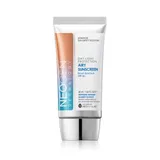 DERMALOGYDay-Light Protection Airy Sunscreen SPF 50
beta-glucanbeta-glucanTinosorb S +12 actives
Sun protection Evens skin tone +2
Price unavailable
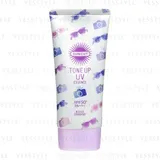 KoseSuncut Tone Up UV Essence + PA++++ SPF 50
Tinosorb Scyclopentasiloxanecyclopentasiloxane +13 actives
Sun protection Anti-aging +2
Fragrance
Price unavailable
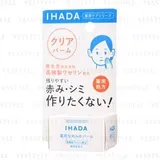 ShiseidoIHADA Clear Balm
petrolatumcyclopentasiloxaneglycerin +3 actives
Moisturizing Evens skin tone
Price unavailable
 KALEIDO COSMETICSROSE MELON
panthenolbisabololbutyrospermum parkii butter +9 actives
Moisturizing
Price unavailable
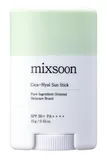 mixsoonCica Hyal Sunstick 15g
madecassosidemadecassic acidadenosine +20 actives
Moisturizing Anti-aging +1
Price unavailable
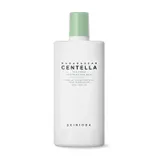 SKIN 1004.Madagascar Centella Tea-Trica Soothing Sun Milk 50ml
niacinamidemadecassic acidadenosine +16 actives
Moisturizing Anti-blemish +3
Price unavailable
 THE PLANT BASEAC Clear Spot Magic Powder 20ml
niacinamideglycerintitanium dioxide +1 actives
Anti-blemish Moisturizing +2
Alcohol
Price unavailable
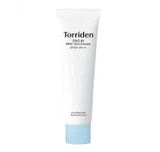 the Torriden StoreDive-in Mild Suncream 60ml
ceramide nppanthenolcamellia sinensis leaf extract +17 actives
Moisturizing
Price unavailable
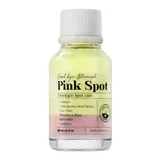 MizonGood Bye Blemish Pink Spot 19ml
salicylic acidglycolic acidglycerin +4 actives
Anti-blemish Exfoliation +4
Essential oils
Price unavailable
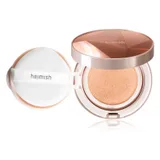 HeimishArtless Perfect Cushion (13g * 2ea)
niacinamideadenosinecopernicia cerifera wax +9 actives
Anti-aging Evens skin tone +2
Fragrance
Price unavailable
Scientific sources
- A review of inorganic UV filters zinc oxide and titanium dioxide
- Risk assessment of zinc oxide, a cosmetic ingredient used as a UV filter of sunscreens
- Characterization of the UVA protection provided by avobenzone, zinc oxide, and titanium dioxide in broad-spectrum sunscreen products
- Ultraviolet Protection Properties of Commercial Sunscreens and Sunscreens Containing Zno Nanorods
- ZnO nanoparticles and organic chemical UV-filters are equally well tolerated by human immune cells
Similar ingredients
BUTYL METHOXYDIBENZOYLMETHANEAvobenzone. An organic, or so-called "chemical" UV filter. Protects against both UVA and UVB rays. Needs to be combined with other filters in a formulation to be stable. OCTOCRYLENEA weak sunscreen that protects against the sun rays that cause sunburn (UVB) and is somewhat effective against the UVA rays. It is quite stable and can help stabilize other, more vulnerable, sunscreen ingredients like Avobenzone. It is an organic, or so called "chemical" sunscreenTITANIUM DIOXIDEWorks as a UV filter when used in high concentrations. It is photostable and is effective mostly against the UVB light, with some protection in the UVA range. In small concentrations, used for its ability to improve the color of cosmetic products. Is usually well tolerated by the skinBENZOPHENONE-4Sulisobenzone. A UV filter. Is typically used to improve the product stability under exposure to UV light. It is effective against both UVA and UVB rays. It can be used is larger concentrations as a sun protection ingredient for the skin, but can be irritatingBIS-ETHYLHEXYLOXYPHENOL METHOXYPHENYL TRIAZINETinosorb S. One of the most effective broad spectrum sunscreen ingredients. Protects from both UVA and UVB rays. It is photostable. Unfortunately, not approved by FDA (US) yet. DIETHYLAMINO HYDROXYBENZOYL HEXYL BENZOATEUvinul A Plus. A new generation broad spectrum sunscreen that offers an effective protection especially in the UVA range. It is stable in formulations. Unfortunately, is not approved by the FDA (US) yetDIETHYLHEXYL BUTAMIDO TRIAZONEUvasorb HEB. A UV filter. Is effective against UVB and UVA II rays (but not UVA I). It is photostable. Unfortunately, is not approved by FDA (US) yetDISODIUM PHENYL DIBENZIMIDAZOLE TETRASULFONATENeo Heliopan AP. A UV filter. Effective against UVA II rays. It is stable. It is water-soluble, which helps to create lightweight sunscreen formulations. Unfortunately, not approved by FDA (US) yetDROMETRIZOLE TRISILOXANEMexoryl XL. A UV filter. Effective in the UVB and UVA range. It is stable. Unfortunately, not approved in the US yetETHYLHEXYL DIMETHYL PABAPadimate O. A UV filter. Effective against UVB rays. There are concerns about the safety of this sunscreen ingredient, but conclusive evidence in either direction is missing. Because of the safety concerns, it is rarely used in leave-in skincareISOAMYL P-METHOXYCINNAMATEAmiloxate or Neo Heliopan E1000. A UV filter. It is effective against UVB and UVA II rays. Not available in the USMENTHYL ANTHRANILATEMeradimate. A UV filter. Is effectives against UVA rays, but due to its chemical properties, it can lead to increase in free radicals. This is why the ingredients is almost never used in cosmetics, despite being approved by the FDAMETHYLENE BIS-BENZOTRIAZOLYL TETRAMETHYLBUTYLPHENOLTinosorb M. A UV filter. Is effective against both UVA and UVB rays. It is photostable and can also be used to improve photostability of other sunscreen ingredients. It is soluble in water, which helps to create lightweight sunscreen formulations. Unfortunately, it is not approved by the FDA (US) yet TRIS-BIPHENYL TRIAZINETinosorb A2B. A UV filter. It is effective against both UVA and UVB rays. It is photostable. Soluble in water, which helps to create lighter sunscreen formulations. Unfortunately, not approved by the FDA in the US yetTEREPHTHALYLIDENE DICAMPHOR SULFONIC ACIDEcamsule, Mexoryl SX. A UV filter. Is effective mostly against the UVA rays. It is legally marketed in the US with the FDA approval since 2006, even though the ingredient is not on the official FDA list of the approved sunscreen active ingredients. It is photostableBENZYLIDENE CAMPHOR SULFONIC ACIDUV filter