
Works for:
based on ingredients and %- Cleansing
Doesn't work for:
based on ingredients and %- Exfoliation
Can it cause trouble?
- Irritation risk: high
- Comedogenic risk ingredients: 2
Key actives
Cleansing
What does the product description say?
Cleanser .
Source: From product name
This product works by removing dirt and oil from the surface of the skin. It uses a combination of mild cleansing agents (cocamidopropyl betaine, cocamidopropylamine oxide, glyceryl stearate citrate, glyceryl stearate se, potassium cetyl phosphate, sodium cocoyl glycinate, sodium cocoyl isethionate, sodium lauroyl glutamate, stearyl alcohol, xanthan gum) and should be able to cleanse the skin gently. Still keep in mind that any cleansing can disrupt the skin barrier, and most people do not need to cleanse their skin more than once per day.
Even though this formulation is mild, the following cleansing agents could trigger an irritation or allergy for some people: cocamidopropyl betaine
Used to create a thicker product consistency
Helps oil and water mix together while softening the upper layer of the skin
Used to stabilize the product formulations and works as an emollient
Helps oil and water mix together
Helps oil and water mix together
Helps water and oil mix together. Can be used as a cleansing agent
Used as a cleansing agent. It creates foam
Helps water and oil mix together. Used as a cleansing ingredient. Could be an allergen
An emollient that helps soften the skin
Helps oil and water mix together and works as an emollient
Exfoliation
What does the product description say?
Scrub .
Source: From product name
This product does not contain effective exfoliating ingredients. It might be able to deliver physical exfoliation, that is scrub off some of the dead cells on the surface of the skin. We do not recommend physical exfoliation, because it is not uniform (some bits of skin can get exfoliated too much while others not at all). It can also traumatize the skin and aggrevate acne and other skin conditions.
How honest is this product?
| Promise | Can it deliver? |
|---|---|
| Cleansing | |
| Exfoliation |
Total Promises Fulfilled score: 50/100.
Potential irritants
Comedogenic ingredients
User reviews (0)
Averages from community submissions.
No reviews yet for this product.
Be the first to share your experience!
Tried this product?
Help capture what the ingredient list can't—texture, finish, pilling, scent, and more. Answer what you can, skip the rest.
Takes ~30 seconds.
Reviews are shown in aggregate. No personal details.
| Product | Similarity | Price | Irritancy |
|---|---|---|---|
 The Better Skin Co. Better Skin Lava Magik: Cleanser - Scrub - Mask - 50% OFF | Current | - | |
 Hanskin Vitamin C Glow Mask | 35% | $31.99 | |
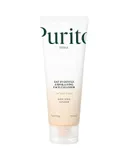 Purito SEOUL Oat In Gentle Exfoliating Face Cleanser | 35% | $14.08 | |
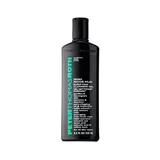 Peter Thomas Roth Irish Moor Mud Cleansing Gel | 35% | - | |
 MEDIHEAL Rose PDRN Derma Cream Pack Cleanser 120ml | 34% | ≈ $17.52 | |
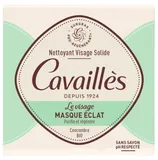 Rogé Cavaillès Radiance Mask Solid Facial Cleanser | 34% | ≈ $8.90 |
Key Actives
Can contain potent anti-oxidant compounds (abbreviated ECG, GCG, EGC, and EGCG) that might help protect the skin from free radicals. Can help calm down inflammation and has some anti-bacterial properties. Unfortunately, these antioxidants are unstable and lose their effectiveness very quickly in products. The concentration of the antioxidant compounds in the extract also tends to be low to be effective in topical formulation
An algae extract that can help attract water to the upper layer of the skin and have some anti-oxidant properties
Helps oil and water mix together and works as an emollient
Helps oil and water mix together while softening the upper layer of the skin
A great emollient that can also have anti-oxidant properties
Used to stabilize the product formulations and works as an emollient
Helps water and oil mix together. Used as a cleansing ingredient. Could be an allergen
One of the best moisturizing ingredients. Naturally present in skin. It attracts water to the upper layer of the skin working as a humectant
Used as a cleansing agent. It creates foam
Helps oil and water mix together
Helps to attract water to the upper layer of the skin
Helps water and oil mix together. Can be used as a cleansing agent
One of the best moisturizing ingredients. Naturally present in skin. It attracts water to the upper layer of the skin working as a humectant
An emollient that helps soften the skin
Helps oil and water mix together
Helps soften the upper layer of the skin
Used to create a thicker product consistency
Potential irritants
Helps water and oil mix together. Used as a cleansing ingredient. Could be an allergen
An algae extract that can help attract water to the upper layer of the skin and have some anti-oxidant properties
An essentil oil from orange peel. Potential allergen and can be irritating
Plant extract that can have healing and anti-inflammatory properties. It is a potential allergen and can be irritating
A plant extract that has some anti-oxidant and anti-bacterial properties. Can be irritating
Traditionally used to treat sunburns, dermatitis and inflammation, but evidence for its effectiveness is lacking. The extract can contain humectants that help attract water into the skin
Helps water and oil mix together. Can be used as a cleansing agent
Helps to control the skin's pH level. Maintains the skin's natural film of amino-lactic acids and oils. Helps to preserve products
A great emollient that can also have anti-oxidant properties
A stable derivative of vitamin C. It is oil-soluble which means it is more likely to penetrate the skin compared to the pure form of vitamin C (which is water-soluble), but it is less bio-available and is way less effective in stimulating collagen and reducing wrinkles compared to the pure form of vitamin C (L-ascorbic acid) and its other derivatives (for example, magnesium ascorbyl phosphate). At the same time, this vitamin C derivative has been shown in studies to be effective in reducing acne, blemishes and clogged pores. It is less irritating then the pure form of vitamin C
Might be somewhat helpful in reducing hyperpigmentation and neutralizing free radicals but its typical concentration in a product is too low for having an effect
Comedogenic ingredients
Used to stabilize the product formulations and works as an emollient
All ingredients
Helps water and oil mix together. Used as a cleansing ingredient. Could be an allergen
One of the best moisturizing ingredients. Naturally present in skin. It attracts water to the upper layer of the skin working as a humectant
Traditionally used to treat sunburns, dermatitis and inflammation, but evidence for its effectiveness is lacking. The extract can contain humectants that help attract water into the skin
Can contain potent anti-oxidant compounds (abbreviated ECG, GCG, EGC, and EGCG) that might help protect the skin from free radicals. Can help calm down inflammation and has some anti-bacterial properties. Unfortunately, these antioxidants are unstable and lose their effectiveness very quickly in products. The concentration of the antioxidant compounds in the extract also tends to be low to be effective in topical formulation
An algae extract that can help attract water to the upper layer of the skin and have some anti-oxidant properties
An essentil oil from orange peel. Potential allergen and can be irritating
Helps water and oil mix together. Can be used as a cleansing agent
Milled volcanic rock. Used as an abrasive for physical exfoliation
Helps to control the skin's pH level. Maintains the skin's natural film of amino-lactic acids and oils. Helps to preserve products
A preservative. It helps prevent bacterial growth in cosmetic products
Milled volcanic rock. Used as an abrasive for physical exfoliation
One of the best moisturizing ingredients. Naturally present in skin. It attracts water to the upper layer of the skin working as a humectant
Helps oil and water mix together while softening the upper layer of the skin
A preservative. It helps prevent bacterial growth in cosmetic products
An essentil oil from orange peel. Potential allergen and can be irritating
A great emollient that can also have anti-oxidant properties
Used to stabilize the product formulations and works as an emollient
A stable derivative of vitamin C. It is oil-soluble which means it is more likely to penetrate the skin compared to the pure form of vitamin C (which is water-soluble), but it is less bio-available and is way less effective in stimulating collagen and reducing wrinkles compared to the pure form of vitamin C (L-ascorbic acid) and its other derivatives (for example, magnesium ascorbyl phosphate). At the same time, this vitamin C derivative has been shown in studies to be effective in reducing acne, blemishes and clogged pores. It is less irritating then the pure form of vitamin C
Might be somewhat helpful in reducing hyperpigmentation and neutralizing free radicals but its typical concentration in a product is too low for having an effect
Plant extract that can have healing and anti-inflammatory properties. It is a potential allergen and can be irritating
A plant extract that has some anti-oxidant and anti-bacterial properties. Can be irritating
An umbrella term for the following three colorants: CI 77491, CI 77492, CI 77499. They might be able to offer some protection against visible light, but the degree of the protection is not clear
Ingredient list view
Water, Cocamidopropyl betaine, Glycerin, Cocamidopropylamine oxide, Sclerotium gum, Aloe barbadensis leaf juice, Camellia sinensis leaf extract, Macrocystis pyrifera extract, Gelidiella acerosa extract, Monostroma nitidum thallus extract, Citrus aurantium dulcis peel oil, Microcrystalline cellulose, Sodium lauroyl glutamate, Sodium cocoyl glycinate, Mannitol, Charcoal powder, Sodium cocoyl isethionate, Magnesium stearate, Ethylcellulose, Pumice, Sodium citrate, Phenoxyethanol, Ethylhexylglycerin, Water, Pumice, Glycerin, Stearic acid, Stearyl alcohol, Glyceryl stearate citrate, Phenoxyethanol, Ethylhexylglycerin, Citrus aurantium dulcis peel oil, Potassium cetyl phosphate, Prunus amygdalus dulcis seed, Vitis vinifera seed oil, Glyceryl stearate se, Xanthan gum, Potassium sorbate, Sodium ascorbyl phosphate, Cucumis sativus fruit extract, Carum petroselinum extract, Chamomilla recutita flower extract, Calendula officinalis flower extract, Iron oxides, Ci 77491
- Glycerol and the skin: holistic approach to its origin and functions
- Marine Bioactive Compounds and Their Health Benefits: A Review
- Antioxidant Capacity and Lipophilic Content of Seaweeds Collected from the Qingdao Coastline
- Final Report on the Safety Assessment of Sodium Cocoyl Isethionate
- Sodium ascorbyl phosphate shows in vitro and in vivo efficacy in the prevention and treatment of acne vulgaris
- Sodium ascorbyl phosphate in topical microemulsions
- Final report of the safety assessment of L-Ascorbic Acid, Calcium Ascorbate, Magnesium Ascorbate, Magnesium Ascorbyl Phosphate, Sodium Ascorbate, and Sodium Ascorbyl Phosphate as used in cosmetics
- Regulation of collagen synthesis in human dermal fibroblasts by the sodium and magnesium salts of ascorbyl-2-phosphate
- Comparison of clinical efficacies of sodium ascorbyl phosphate, retinol and their combination in acne treatment
- Application of l-ascorbic acid and its derivatives (sodium ascorbyl phosphate and magnesium ascorbyl phosphate) in topical cosmetic formulations: stability studies
- Sodium L-ascorbyl-2-phosphate 5% lotion for the treatment of acne vulgaris: a randomized, double-blind, controlled trial
- Topical application of Calendula officinalis (L.): Formulation and evaluation of hydrophilic cream with antioxidant activity
- The seamy side of natural medicines: contact sensitization to arnica (Arnica montana L.) and marigold (Calendula officinalis L.)
- Final report on the safety assessment of Calendula officinalis extract and Calendula officinalis
- Contact dermatitis as an adverse reaction to some topically used European herbal medicinal products – part 1: Achillea millefolium–Curcuma longa