Works for:
based on ingredients and %- Cleansing
Can it cause trouble?
- Irritation risk: high
- Comedogenic risk ingredients: 2
Key actives
Works for
Cleansing
What does the product description say?
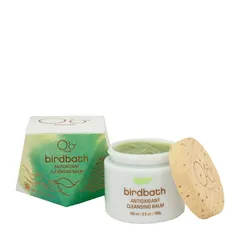
O'o Hawai Bird Bath Antioxidant Cleanser
Source: From product name
This product works by removing dirt and oil from the surface of the skin. It uses a combination of mild cleansing agents (cetearyl olivate, glyceryl stearate se, sorbitan olivate) and should be able to cleanse the skin gently. Still keep in mind that any cleansing can disrupt the skin barrier, and most people do not need to cleanse their skin more than once per day.
Helps oil and water mix together
Used to stabilize the product formulations and works as an emollient
Helps oil and water mix together
How honest is this product?
| Promise | Can it deliver? |
|---|---|
| Cleansing |
Total Promises Fulfilled score: 100/100.
Potential irritants
Comedogenic ingredients
User reviews (0)
Averages from community submissions.
No reviews yet for this product.
Be the first to share your experience!
Tried this product?
Help capture what the ingredient list can't—texture, finish, pilling, scent, and more. Answer what you can, skip the rest.
Takes ~30 seconds.
Reviews are shown in aggregate. No personal details.
Key Actives
A plant extract that has been shown to be able to reduce inflammation in skin, support restoration of skin barrier function, as well as support collagen production. Contains active compounds called centelloids: asiaticoside, madecasosside, asiatic acid and madecassic acid. Might be helpful in preventing stretch marks. It can be itself be irritating though.
Pure form of vitamin E. Can help moisturise and protect the skin from free radicals. Often used to help stabilise other ingredients or the formula itself
Helps soften the upper layer of the skin and can be helpful in restoring the skin barrier function. Might have some anti-oxidant effect
Helps neutralize free radicals in skin and might help to calm down inflammation
Can be helpful in reducing inflammation in skin, including inflamed acne. It can be irritating
Helps to soften the upper layer of the skin and might have some anti-oxidant effect
Used to stabilize the product formulations and works as an emollient
An emollient that does not leave a greasy finish
A great emollient due to its high linoleic acid content. One of the most effective plant oils in helping skin hydration and repairing skin barrier function
Helps soften the upper layer of the skin. Could be comedogenic due to the myrisic acid content
An emollient made of jojoba oil. Helps soften the skin and support its barrier function
Softens the upper layer of skin and helps restore the healthy skin barrier. Has shown to help calm down inflammation in skin. It is a stable oil, meaning that it retains its properties even when exposed to air.
Forms a protective barrier that holds water and keeps dry skin hydrated. Keeps an emulsion from separating into its oil and liquid components, and increases the thickness of a product. Can be an allergen
Helps soften the upper layer of the skin and support skin's barrier function while creating a thicker product consistency
Helps soften the upper layer of the skin
An emollient that helps soften the skin and could be helpful in repairing its barrier function
Helps soften the upper layer of the skin and might as well help to attract moisture to its upper layer
Helps soften the upper layer of the skin and can support skin barrier function due to the high linoleic acid content
One of the best moisturizing ingredients. Naturally present in skin. It attracts water to the upper layer of the skin working as a humectant
Helps to attract water to the upper layer of the skin
Potential irritants
A plant extract that may contain a small amount of essential oils. Might be helpful in neutralizing free radicals in skin
A plant oil that might somewhat help to neutralize free radicals. It could be irritating
Can be helpful in reducing inflammation in skin, including inflamed acne. It can be irritating
A plant extract mostly used as a fragrance. Can be irritating
Oil of a very fragrant pink rose used as fragrance in cosmetics. Extensive research has shown it has mixed benefits. In the pro column, inhaling this flower’s scent seems to have relaxing properties and the plant’s petals contain skin-soothing and antioxidant compounds that can benefit skin. On the flipside, the numerous chemicals that create this rose’s distinctive fragrance pose a risk of causing skin aggravation.
Helps soften the upper layer of the skin. Could be comedogenic due to the myrisic acid content
Might be somewhat helpful in reducing hyperpigmentation and neutralizing free radicals but its typical concentration in a product is too low for having an effect
An emollient made of jojoba oil. Helps soften the skin and support its barrier function
Softens the upper layer of skin and helps restore the healthy skin barrier. Has shown to help calm down inflammation in skin. It is a stable oil, meaning that it retains its properties even when exposed to air.
Can have some moisturizing properties due to its sugar content
Helps neutralize free radicals in skin and might help to calm down inflammation
An emollient that does not leave a greasy finish
An emollient that helps soften the skin and could be helpful in repairing its barrier function
Helps soften the upper layer of the skin and might as well help to attract moisture to its upper layer
Plant oil from nuts that helps soften the upper layer of the skin. Contains a high concentration of oleic acid that can weaken skin's barrier function and increase water-loss while enhancing penetration of other ingredients
A plant extract that has been shown to be able to reduce inflammation in skin, support restoration of skin barrier function, as well as support collagen production. Contains active compounds called centelloids: asiaticoside, madecasosside, asiatic acid and madecassic acid. Might be helpful in preventing stretch marks. It can be itself be irritating though.
Comedogenic ingredients
Helps soften the upper layer of the skin and can be helpful in restoring the skin barrier function. Might have some anti-oxidant effect
Used to stabilize the product formulations and works as an emollient
All ingredients
A great emollient due to its high linoleic acid content. One of the most effective plant oils in helping skin hydration and repairing skin barrier function
Helps attract water to the upper layer of the skin. Could be helpful in restoring the skin barrier function
Helps soften the upper layer of the skin and can be helpful in restoring the skin barrier function. Might have some anti-oxidant effect
Helps to soften the upper layer of the skin and might have some anti-oxidant effect
Helps soften the upper layer of the skin. Could be comedogenic due to the myrisic acid content
Might be somewhat helpful in reducing hyperpigmentation and neutralizing free radicals but its typical concentration in a product is too low for having an effect
An emollient made of jojoba oil. Helps soften the skin and support its barrier function
Softens the upper layer of skin and helps restore the healthy skin barrier. Has shown to help calm down inflammation in skin. It is a stable oil, meaning that it retains its properties even when exposed to air.
Forms a protective barrier that holds water and keeps dry skin hydrated. Keeps an emulsion from separating into its oil and liquid components, and increases the thickness of a product. Can be an allergen
A plant extract that may contain a small amount of essential oils. Might be helpful in neutralizing free radicals in skin
Used to stabilize the product formulations and works as an emollient
Helps soften the upper layer of the skin and support skin's barrier function while creating a thicker product consistency
Can have some moisturizing properties due to its sugar content
Helps neutralize free radicals in skin and might help to calm down inflammation
A plant oil that might somewhat help to neutralize free radicals. It could be irritating
Can be helpful in reducing inflammation in skin, including inflamed acne. It can be irritating
Pure form of vitamin E. Can help moisturise and protect the skin from free radicals. Often used to help stabilise other ingredients or the formula itself
An emollient that does not leave a greasy finish
An emollient that helps soften the skin and could be helpful in repairing its barrier function
Helps soften the upper layer of the skin and might as well help to attract moisture to its upper layer
A plant extract mostly used as a fragrance. Can be irritating
Oil of a very fragrant pink rose used as fragrance in cosmetics. Extensive research has shown it has mixed benefits. In the pro column, inhaling this flower’s scent seems to have relaxing properties and the plant’s petals contain skin-soothing and antioxidant compounds that can benefit skin. On the flipside, the numerous chemicals that create this rose’s distinctive fragrance pose a risk of causing skin aggravation.
Helps soften the upper layer of the skin and can support skin barrier function due to the high linoleic acid content
Plant oil from nuts that helps soften the upper layer of the skin. Contains a high concentration of oleic acid that can weaken skin's barrier function and increase water-loss while enhancing penetration of other ingredients
A plant extract that has been shown to be able to reduce inflammation in skin, support restoration of skin barrier function, as well as support collagen production. Contains active compounds called centelloids: asiaticoside, madecasosside, asiatic acid and madecassic acid. Might be helpful in preventing stretch marks. It can be itself be irritating though.
Oil of a very fragrant pink rose used as fragrance in cosmetics. Extensive research has shown it has mixed benefits. In the pro column, inhaling this flower’s scent seems to have relaxing properties and the plant’s petals contain skin-soothing and antioxidant compounds that can benefit skin. On the flipside, the numerous chemicals that create this rose’s distinctive fragrance pose a risk of causing skin aggravation.
One of the best moisturizing ingredients. Naturally present in skin. It attracts water to the upper layer of the skin working as a humectant
Oil of a very fragrant pink rose used as fragrance in cosmetics. Extensive research has shown it has mixed benefits. In the pro column, inhaling this flower’s scent seems to have relaxing properties and the plant’s petals contain skin-soothing and antioxidant compounds that can benefit skin. On the flipside, the numerous chemicals that create this rose’s distinctive fragrance pose a risk of causing skin aggravation.
Ingredient list view
Helianthus annuus seed oil, Unknown, Glucose, Theobroma cacao seed butter, Mangifera indica seed butter, Astrocaryum murumuru seed butter, Cetearyl olivate, Cucumis sativus fruit extract, Sorbitan olivate, Jojoba esters, Simmondsia chinensis seed oil, Beeswax, Sambucus nigra fruit extract, Glyceryl stearate se, Helianthus annuus seed wax, Pyrus malus fruit extract, Bromelain, Aleurites moluccanus seed oil, Astaxanthin, Ci 15850, Algae, Hippophae rhamnoides fruit oil, Rosmarinus officinalis leaf extract, Carica papaya seed oil, Ananas sativus fruit, Calophyllum inophyllum seed oil, Tocopherol, Camellia oleifera seed oil, Persea gratissima oil, Unknown, Theobroma grandiflorum seed butter, Unknown, Ocimum basilicum extract, Rosa damascena extract, Melia azadirachta seed oil, Macadamia ternifolia seed oil, Centella asiatica extract, Rosa damascena extract, Glycerin, Acacia decurrens flower wax, Polyglycerin-3, Mentha piperita oil, Rosa damascena extract, Tetrasodium glutamate diacetate
- Effect of Olive and Sunflower Seed Oil on the Adult Skin Barrier: Implications for Neonatal Skin Care
- Topically Applied Sunflower Seed Oil Prevents Invasive Bacterial Infections in Preterm Infants in Egypt
- Effect of topically applied lipids on surfactant-irritated skin
- Impact of topical oils on the skin barrier: possible implications for neonatal health in developing countries
- Topical Glucose Induces Claudin-1 and Filaggrin Expression in a Mouse Model of Atopic Dermatitis and in Keratinocyte Culture, Exerting Anti-inflammatory Effects by Repairing Skin Barrier Function
- Cocoa polyphenols and their influence on parameters involved in ex vivo skin restructuring
- Extraction and Characteristics of Seed Kernel Oil from Mango
- Promising features of mango (Mangifera indica L.) kernel oil: a review
- Evaluation of the fatty acid composition of the seeds of Mangifera indica L. and their application
- AMAZON RAINFOREST COSMETICS: CHEMICAL APPROACH FOR QUALITY CONTROL
- Assessment report on Sambucus nigra L., fructus
- SKIN PROTECTION AGAINST SOLAR UV RADIATION BY NATURAL PLANT PRODUCTS: EXTRACTS FROM ELDER FRUIT (SAMBUCUS NIGRA L.)
- Astaxanthin, canthaxanthin and b-carotene differently affect UVA-induced oxidative damage and expression of oxidative stress-responsive enzymes
- Astaxanthin attenuates the UVA-induced up-regulation of matrixmetalloproteinase-1 and skin fibroblast elastase in human dermal fibroblasts
- Protective Effects of Topical Application of a Poorly Soluble Antioxidant Astaxanthin Liposomal Formulation on Ultraviolet-Induced Skin Damage
- Allergic contact dermatitis induced by rosemary leaf extract in a cleansing gel
- Safety Assessment of Rosmarinus officinalis (Rosemary)-Derived Ingredients as Used in Cosmetics
- Rosmarinus officinalis Extract Suppresses Propionibacterium acnes–Induced Inflammatory Responses
- Vitamin E in dermatology
- Vitamin E and Skin Health
- Advanced Skin Care – A Novel Ingredient
- Characterization of fatty acids in Melia azedarach L. seed oil
- Physico-Chemical Stability Studies of Neem (Azadirachta indica) Seed Oil Cream
- Fatty acids profile of oil from nine varieties of Macadamia nut
- Anti-Inflammatory Effect of Titrated Extract of Centella asiatica in Phthalic Anhydride-Induced Allergic Dermatitis Animal Model
- Centella asiatica in cosmetology
- Triterpene Composition and Bioactivities of Centella asiatica
- Asiaticoside induction for cell-cycle progression, proliferation and collagen synthesis in human dermal fibroblasts
- Assessment report on Centella asiatica (L.) Urban, herba
- Contact dermatitis due to Madecassol
- The Effects of a Standardized Extract of Centella asiatica on Postlaser Resurfacing Wound Healing on the Face: A Split-Face, Double-Blind, Randomized, Placebo-Controlled Trial
- Glycerol and the skin: holistic approach to its origin and functions
- Final Report of the Safety Assessment of Acacia Catechu Gum, Acacia Concinna Fruit Extract, Acacia Dealbata Leaf Extract, Acacia Dealbata Leaf Wax, Acacia Decurrens Extract, Acacia Farnesiana Extract, Acacia Farnesiana Flower Wax, Acacia Farnesiana Gum, Acacia Senegal Extract, Acacia Senegal Gum, and Acacia Senegal Gum Extract1