Works for:
based on ingredients and %- Cleansing
Doesn't work for:
based on ingredients and %- Exfoliation
Can it cause trouble?
- Irritation risk: medium
- Comedogenic risk ingredients: 3
Key actives
Cleansing
What does the product description say?
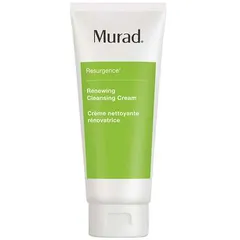
Renewing Cleansing Cream
Source: From product name
This product works by removing dirt and oil from the surface of the skin.
It contains the following cleansing agents that tend to be harsh on the skin: benzalkonium chloride.
The following cleansing agents are typically mild, but still can cause an irritation or allergy for some people cocamidopropyl dimethylamine.
Keep in mind that cleansing can disrupt the skin barrier, and most people do not need to cleanse their skin more than once per day.
Used to create a thicker product consistency
Helps water and oil mix together. Can be used as a cleansing agent
Helps oil and water mix together and works as an emollient
Helps water and oil mix together and works as a cleansing agent (detergent). Also used as a preservative. Can be irritating
Helps create a thicker or gel-like product texture. It is not a surfactant but can be used in gentle cleansing formulations
A non-drying alcohol that works to soften the skin and stabilize product formulations helping oil and water mix together
Helps oil and water mix together. Can work as a cleansing agent. Can be irritating
Used to stabilize the product formulations and works as an emollient
Exfoliation
What does the product description say?
Murad, Cleansers & Toners This ultra-moisturising cream cleanser gently exfoliates to reveal soft and smooth skin and restore a youthful glow.
Source: Allbeauty
This product might help exfoliate the skin with urea, but This ingredient is not the most effective.
Naturally present in skin (urea makes up about 7% of natural moisturizing factors in skin). Attracts water to the upper layer of the skin. Also has a positive effect on the skin barrier beyond the humectant action. Can enhance penetration of other ingredients. Is an exfoliating ingredient when used in high concentrations
An exfoliating and moisturizing alpha-hydroxy acid (AHA). Typically causes less irritation than other AHAs, for example, glycolic acid. At high concentrations (about 15%), lactic acid can help reduce lines and wrinkles. Recent studies show that lactic acid can support the "good" bacteria living on skin's surface (healthy skin microbiome)
How honest is this product?
| Promise | Can it deliver? |
|---|---|
| Cleansing | |
| Exfoliation |
Total Promises Fulfilled score: 62/100.
We receive a small commission for purchases made through these links at no cost for you. Thank you for your support! Learn more
Affiliate link · supports WIMJ at no cost to you
Potential irritants
Comedogenic ingredients
User reviews (0)
Averages from community submissions.
No reviews yet for this product.
Be the first to share your experience!
Tried this product?
Help capture what the ingredient list can't—texture, finish, pilling, scent, and more. Answer what you can, skip the rest.
Takes ~30 seconds.
Reviews are shown in aggregate. No personal details.
Key Actives
An exfoliating and moisturizing alpha-hydroxy acid (AHA). Typically causes less irritation than other AHAs, for example, glycolic acid. At high concentrations (about 15%), lactic acid can help reduce lines and wrinkles. Recent studies show that lactic acid can support the "good" bacteria living on skin's surface (healthy skin microbiome)
A plant oil that is effective in reducing irritation in skin, restore the barrier function and support its hydration
Helps attract water to the upper layer of the skin and can help improve skin barrier function
A plat extract that might help neutralize free radicals in skin and attract water to its upper layer
Used to stabilize the product formulations and works as an emollient
Helps oil and water mix together and works as an emollient
A non-drying alcohol that works to soften the skin and stabilize product formulations helping oil and water mix together
An emollient that helps soften the skin
A type of peptide. Peptides are excellent moisturizers and might be able support collagen production reducing fine lines and wrinkles
Naturally present in skin (urea makes up about 7% of natural moisturizing factors in skin). Attracts water to the upper layer of the skin. Also has a positive effect on the skin barrier beyond the humectant action. Can enhance penetration of other ingredients. Is an exfoliating ingredient when used in high concentrations
Helps water and oil mix together. Can be used as a cleansing agent
One of the best moisturizing ingredients. Naturally present in skin. It attracts water to the upper layer of the skin working as a humectant
A great moisturising ingredient that softens the skin and reduces water loss from its upper layer. It also can be helpful in protecting skin from free radicals
Helps oil and water mix together. Can work as a cleansing agent. Can be irritating
Might help reduce hyperpigmentation in skin and help neutralize free radicals
A sugar that attracts water to the upper layer of the skin
Helps attract water to the upper layer of the skin and improves the product texture
Red algae extract that helps attract water to the upper layer of the skin and create a nicer product consistency
One of the best moisturizing ingredients. Attracts water into the upper layer of the skin
Sulisobenzone. A UV filter. Is typically used to improve the product stability under exposure to UV light. It is effective against both UVA and UVB rays. It can be used is larger concentrations as a sun protection ingredient for the skin, but can be irritating
Helps water and oil mix together and works as a cleansing agent (detergent). Also used as a preservative. Can be irritating
Helps create a thicker or gel-like product texture. It is not a surfactant but can be used in gentle cleansing formulations
Used to create a thicker product consistency
Potential irritants
Helps oil and water mix together. Can work as a cleansing agent. Can be irritating
Might help reduce hyperpigmentation in skin and help neutralize free radicals
Plant extract that can have healing and anti-inflammatory properties. It is a potential allergen and can be irritating
Sulisobenzone. A UV filter. Is typically used to improve the product stability under exposure to UV light. It is effective against both UVA and UVB rays. It can be used is larger concentrations as a sun protection ingredient for the skin, but can be irritating
Helps water and oil mix together and works as a cleansing agent (detergent). Also used as a preservative. Can be irritating
An aromatic blend of unspecified and possibly irritating ingredients
Helps water and oil mix together. Can be used as a cleansing agent
An exfoliating and moisturizing alpha-hydroxy acid (AHA). Typically causes less irritation than other AHAs, for example, glycolic acid. At high concentrations (about 15%), lactic acid can help reduce lines and wrinkles. Recent studies show that lactic acid can support the "good" bacteria living on skin's surface (healthy skin microbiome)
Could be helpful in reducing inflammation in skin, evening out the skin tone and neutralizing free radicals, but more research is needed to confirm its effectiveness
A plant extract that might have some anti-oxidant properties but evidence is lacking
A plant extract that might help calm down inflammation in skin but evidence of effectiveness is lacking
A plat extract that might help neutralize free radicals in skin and attract water to its upper layer
Helps preserve products and creates a nice product texture
Comedogenic ingredients
Used to stabilize the product formulations and works as an emollient
A great moisturising ingredient that softens the skin and reduces water loss from its upper layer. It also can be helpful in protecting skin from free radicals
Red algae extract that helps attract water to the upper layer of the skin and create a nicer product consistency
All ingredients
Helps water and oil mix together. Can be used as a cleansing agent
Used to stabilize the product formulations and works as an emollient
One of the best moisturizing ingredients. Naturally present in skin. It attracts water to the upper layer of the skin working as a humectant
A non-drying alcohol that works to soften the skin and stabilize product formulations helping oil and water mix together
A type of peptide. Peptides are excellent moisturizers and might be able support collagen production reducing fine lines and wrinkles
A great moisturising ingredient that softens the skin and reduces water loss from its upper layer. It also can be helpful in protecting skin from free radicals
Helps oil and water mix together. Can work as a cleansing agent. Can be irritating
An exfoliating and moisturizing alpha-hydroxy acid (AHA). Typically causes less irritation than other AHAs, for example, glycolic acid. At high concentrations (about 15%), lactic acid can help reduce lines and wrinkles. Recent studies show that lactic acid can support the "good" bacteria living on skin's surface (healthy skin microbiome)
Might help reduce hyperpigmentation in skin and help neutralize free radicals
Naturally present in skin (urea makes up about 7% of natural moisturizing factors in skin). Attracts water to the upper layer of the skin. Also has a positive effect on the skin barrier beyond the humectant action. Can enhance penetration of other ingredients. Is an exfoliating ingredient when used in high concentrations
Could be helpful in reducing inflammation in skin, evening out the skin tone and neutralizing free radicals, but more research is needed to confirm its effectiveness
Helps attract water to the upper layer of the skin and improves the product texture
A plant oil that is effective in reducing irritation in skin, restore the barrier function and support its hydration
A plant extract that might have some anti-oxidant properties but evidence is lacking
A plant extract that might help calm down inflammation in skin but evidence of effectiveness is lacking
Helps attract water to the upper layer of the skin and can help improve skin barrier function
Red algae extract that helps attract water to the upper layer of the skin and create a nicer product consistency
Plant extract that can have healing and anti-inflammatory properties. It is a potential allergen and can be irritating
One of the best moisturizing ingredients. Attracts water into the upper layer of the skin
A plat extract that might help neutralize free radicals in skin and attract water to its upper layer
Sulisobenzone. A UV filter. Is typically used to improve the product stability under exposure to UV light. It is effective against both UVA and UVB rays. It can be used is larger concentrations as a sun protection ingredient for the skin, but can be irritating
Used to create a nice product texture and help delivery of other ingredients. Might be somewhat helpful in attracting water to the upper layer of the skin
Helps water and oil mix together and works as a cleansing agent (detergent). Also used as a preservative. Can be irritating
Helps create a thicker or gel-like product texture. It is not a surfactant but can be used in gentle cleansing formulations
A preservative. It helps prevent bacterial growth in cosmetic products
Helps preserve products and creates a nice product texture
An aromatic blend of unspecified and possibly irritating ingredients
Ingredient list view
Water, Sodium cocoyl isethionate, Glyceryl stearate se, Glycerin, Stearic acid, Cetyl alcohol, Prunus armeniaca kernel oil, Palmitoyl tripeptide-5, Butyrospermum parkii butter extract, Cocamidopropyl dimethylamine, Lactic acid, Hydrated silica, Phenylethyl resorcinol, Hydrolyzed corn starch, Sodium hydroxide, Urea, Yeast amino acids, Trehalose, Inositol, Taurine, Betaine, Borago officinalis seed oil, Oenothera biennis seed extract, Serenoa serrulata fruit extract, Panthenol, Chondrus crispus extract, Chamomilla recutita flower extract, Sodium hyaluronate, Imperata cylindrica root extract, Benzophenone-4, Butylene glycol, Peg-8, Benzalkonium chloride, Carbomer, Xanthan gum, Phenoxyethanol, Caprylyl glycol, Chlorphenesin, Parfum
- Final Report on the Safety Assessment of Sodium Cocoyl Isethionate
- Glycerol and the skin: holistic approach to its origin and functions
- Occupational contact allergy to cocamidopropyl betaine and its impurities
- Epidermal and dermal effects of topical lactic acid
- Dual Effects of Alpha-Hydroxy Acids on the Skin
- Topical urea in skincare: A review
- Cosmeceuttical Critigue: Taurine
- Dermatology News - Commentary: Borage Seed Oil
- Undershirts coated with borage oil alleviate the symptoms of atopic dermatitis in children
- Evening Primrose (Oenothera biennis) Biological Activity Dependent on Chemical Composition
- Saw palmetto extract: A dermatologist's perspective
- Skin moisturizing effects of panthenol-based formulations
- Safety Assessment of Panthenol, Pantothenic Acid, and Derivatives as Used in Cosmetics
- Hyaluronic acid: A key molecule in skin aging
- Hyaluronan (Hyaluronic Acid): a natural moisturizer for skin care
- Allergic contact dermatitis from grasses
- Benzophenone 4: An emerging allergen in cosmetics and toiletries?
- Surfactants and experimental irritant contact dermatitis