Works for:
based on ingredients and %- Moisturizing
- Anti-aging
- Anti-oxidation
Can it cause trouble?
- Irritation risk: high
- Comedogenic risk ingredients: 1
Key actives


Works for
Anti-oxidation
This product contains antioxidants (astaxanthin) that can help neutralize free radicals in skin. By doing so, they can lessen the damage the skin gets from the UV light (sun).
The following ingredients - haematococcus pluvialis extract, rubus idaeus seed oil, squalene also can have an antioxidant effect, but there is less evidence to confirm their effectiveness in skin.
Helps neutralize free radicals in skin and might help to calm down inflammation
Green algae extract that might contain antioxidant astaxanthin
A plant oil that might be able to help neutralize free radicals in skin
An oil that is naturally part of skin sebum that helps to soften its upper layer, reduce water loss and neutralize free radicals. It might be comedogenic. Avoid applying large concentrations (or pure oil) before sun exposure as oxidized squalene can clog pores and lead to skin irritation. Today squalene is mostly derived from vegetable oils or synthetized by yeast
A plant oil that is effective in reducing irritation in skin, restore the barrier function and support its hydration
This oil's cmposition is closest to rapeseed oil. It is a very stable oil and serves as an emoillient
A plant oil that helps soften the upper layer of the skin. It might have anti-oxidant properties. Might help reduce inflammation in skin and help against blemishes
An emollient that helps soften the upper layer of the skin. Might have some weak anti-oxidant properties
Pure form of vitamin E. Can help moisturise and protect the skin from free radicals. Often used to help stabilise other ingredients or the formula itself
Being a lipid soluble form of vitamin C, it is more stable and can penetrate the skin better than L-Ascorbic acid. It is effective in protecting the skin from free radicals, as well as evening the skin tone, but is less effective in stimulating collagen production compared to L-Ascorbic acid.
An emollient that does not leave a greasy finish
Anti-aging
What does the product description say?
Eicosapentaenoic acid (EPA), a type of omega-3 from algae, may help reduce signs of aging by blocking UV-induced enzymes that destroy collagen.
Source: Credo Beauty
This product contains astaxanthin. This ingredient might be able to help reduce and prevent fine lines and wrinkles, improve skin elasticity and firmness, but there is not enough evidence that it actually works.
Helps neutralize free radicals in skin and might help to calm down inflammation
This oil's cmposition is closest to rapeseed oil. It is a very stable oil and serves as an emoillient
Pure form of vitamin E. Can help moisturise and protect the skin from free radicals. Often used to help stabilise other ingredients or the formula itself
Being a lipid soluble form of vitamin C, it is more stable and can penetrate the skin better than L-Ascorbic acid. It is effective in protecting the skin from free radicals, as well as evening the skin tone, but is less effective in stimulating collagen production compared to L-Ascorbic acid.
Moisturizing
What does the product description say?
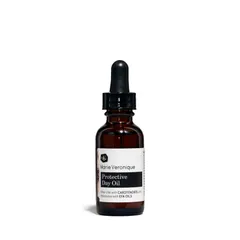
Protective Day Oil
Source: From product name
This product can help soften the skin and reduce its moisture loss with emollients and occlusives: helianthus annuus seed oil, simmondsia chinensis seed oil.
Keep in mind that this product does not contain effective ingredients to attract water to the upper layer of the skin. This is why an additional product with humectants like glycerin or hyaluronic acid can be helpful (apply it before this product for the best results).
Softens the upper layer of skin and helps restore the healthy skin barrier. Has shown to help calm down inflammation in skin. It is a stable oil, meaning that it retains its properties even when exposed to air.
An oil that is naturally part of skin sebum that helps to soften its upper layer, reduce water loss and neutralize free radicals. It might be comedogenic. Avoid applying large concentrations (or pure oil) before sun exposure as oxidized squalene can clog pores and lead to skin irritation. Today squalene is mostly derived from vegetable oils or synthetized by yeast
An emollient that helps soften the upper layer of the skin. Might have some weak anti-oxidant properties
A plant oil that helps soften the upper layer of the skin. It might have anti-oxidant properties. Might help reduce inflammation in skin and help against blemishes
This oil's cmposition is closest to rapeseed oil. It is a very stable oil and serves as an emoillient
A plant oil that helps soften the upper layer of the skin and can support skin's barrier function due to its high content of linoleic acid. It also has anti-microbial properties
An emollient that helps soften the skin and could be helpful in repairing its barrier function
Chia seed oil. Helps to soften the upper layer of the skin and might be helpful in repairing skin barrier
A good moisturizing plant oil. Due to the high linoleic acid content, it helps soften the upper layer of the skin, reduce water loss and support skin barrier function
A good emollient that helps soften the upper layer of the skin and, due to the high linoleic acid content, can support the skin's barrier function
A phytosterol that can support skin's barrier function and help the skin stay hydrated
A plant oil that is effective in reducing irritation in skin, restore the barrier function and support its hydration
A great emollient due to its high linoleic acid content. One of the most effective plant oils in helping skin hydration and repairing skin barrier function
Helps soften the upper layer of the skin
A plant seed oil that consists mainly of erucic acid and used to help soften the upper layer of the skin. This fatty acid can enhance penetration of other ingredients into the skin but it is not a good moisturizer on its own
An emollient that helps soften the skin but is not effective for restoring its barrier function. Might be helpful to calm down inflammation
An emollient that does not leave a greasy finish
Pure form of vitamin E. Can help moisturise and protect the skin from free radicals. Often used to help stabilise other ingredients or the formula itself
Used mostly for creating emulsions - helping oil and water mix together. Helps soften the upper layer of the skin
How honest is this product?
| Promise | Can it deliver? |
|---|---|
| Anti-aging | |
| Moisturizing |
Total Promises Fulfilled score: 75/100.
We receive a small commission for purchases made through these links at no cost for you. Thank you for your support! Learn more
Potential irritants
Comedogenic ingredients
User reviews (0)
Averages from community submissions.
No reviews yet for this product.
Be the first to share your experience!
Tried this product?
Help capture what the ingredient list can't—texture, finish, pilling, scent, and more. Answer what you can, skip the rest.
Takes ~30 seconds.
Reviews are shown in aggregate. No personal details.
| Product | Similarity | Price | Irritancy |
|---|---|---|---|
 marie veronique Protective Day Oil | Current | $95.00 | |
Circumference Pure Balancing Botanical Face Oil | 54% | ≈ $75.62 | |
Prima Night Magic Hemp Facial Oil | 53% | - | |
 de Mamiel Spring Facial Oil | 52% | $106.00 | |
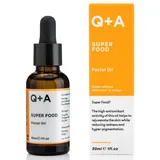 Q+A Super Food Facial Oil | 52% | ≈ $7.45 | |
 frank body Super Ceramide Barrier Oil | 50% | - |
Key Actives
A plant oil that is effective in reducing irritation in skin, restore the barrier function and support its hydration
This oil's cmposition is closest to rapeseed oil. It is a very stable oil and serves as an emoillient
A plant oil that helps soften the upper layer of the skin. It might have anti-oxidant properties. Might help reduce inflammation in skin and help against blemishes
Helps neutralize free radicals in skin and might help to calm down inflammation
An emollient that helps soften the upper layer of the skin. Might have some weak anti-oxidant properties
An oil that is naturally part of skin sebum that helps to soften its upper layer, reduce water loss and neutralize free radicals. It might be comedogenic. Avoid applying large concentrations (or pure oil) before sun exposure as oxidized squalene can clog pores and lead to skin irritation. Today squalene is mostly derived from vegetable oils or synthetized by yeast
Softens the upper layer of skin and helps restore the healthy skin barrier. Has shown to help calm down inflammation in skin. It is a stable oil, meaning that it retains its properties even when exposed to air.
An emollient that helps soften the skin and could be helpful in repairing its barrier function
Chia seed oil. Helps to soften the upper layer of the skin and might be helpful in repairing skin barrier
A plant oil that might be able to help neutralize free radicals in skin
A good moisturizing plant oil. Due to the high linoleic acid content, it helps soften the upper layer of the skin, reduce water loss and support skin barrier function
A plant oil that helps soften the upper layer of the skin and can support skin's barrier function due to its high content of linoleic acid. It also has anti-microbial properties
Green algae extract that might contain antioxidant astaxanthin
A good emollient that helps soften the upper layer of the skin and, due to the high linoleic acid content, can support the skin's barrier function
A phytosterol that can support skin's barrier function and help the skin stay hydrated
A great emollient due to its high linoleic acid content. One of the most effective plant oils in helping skin hydration and repairing skin barrier function
Potential irritants
A fragrant plant oil, can be irritating
A common frangrance that can easily irritate skin, especially if exposed to air, light or heat
Softens the upper layer of skin and helps restore the healthy skin barrier. Has shown to help calm down inflammation in skin. It is a stable oil, meaning that it retains its properties even when exposed to air.
An emollient that helps soften the skin and could be helpful in repairing its barrier function
An emollient that helps soften the upper layer of the skin. Might have some weak anti-oxidant properties
A plant oil that helps soften the upper layer of the skin. It might have anti-oxidant properties. Might help reduce inflammation in skin and help against blemishes
A plant oil that might be able to help neutralize free radicals in skin
An emollient that helps soften the skin but is not effective for restoring its barrier function. Might be helpful to calm down inflammation
An emollient that does not leave a greasy finish
A plant oil that helps soften the upper layer of the skin and can support skin's barrier function due to its high content of linoleic acid. It also has anti-microbial properties
Green algae extract that might contain antioxidant astaxanthin
Helps neutralize free radicals in skin and might help to calm down inflammation
A plant seed oil that consists mainly of erucic acid and used to help soften the upper layer of the skin. This fatty acid can enhance penetration of other ingredients into the skin but it is not a good moisturizer on its own
Being a lipid soluble form of vitamin C, it is more stable and can penetrate the skin better than L-Ascorbic acid. It is effective in protecting the skin from free radicals, as well as evening the skin tone, but is less effective in stimulating collagen production compared to L-Ascorbic acid.
Comedogenic ingredients
An oil that is naturally part of skin sebum that helps to soften its upper layer, reduce water loss and neutralize free radicals. It might be comedogenic. Avoid applying large concentrations (or pure oil) before sun exposure as oxidized squalene can clog pores and lead to skin irritation. Today squalene is mostly derived from vegetable oils or synthetized by yeast
All ingredients
Softens the upper layer of skin and helps restore the healthy skin barrier. Has shown to help calm down inflammation in skin. It is a stable oil, meaning that it retains its properties even when exposed to air.
A plant oil that is effective in reducing irritation in skin, restore the barrier function and support its hydration
An emollient that helps soften the skin and could be helpful in repairing its barrier function
This oil's cmposition is closest to rapeseed oil. It is a very stable oil and serves as an emoillient
An emollient that helps soften the upper layer of the skin. Might have some weak anti-oxidant properties
A plant oil that helps soften the upper layer of the skin. It might have anti-oxidant properties. Might help reduce inflammation in skin and help against blemishes
Chia seed oil. Helps to soften the upper layer of the skin and might be helpful in repairing skin barrier
A plant oil that might be able to help neutralize free radicals in skin
A good moisturizing plant oil. Due to the high linoleic acid content, it helps soften the upper layer of the skin, reduce water loss and support skin barrier function
An emollient that helps soften the skin but is not effective for restoring its barrier function. Might be helpful to calm down inflammation
An emollient that does not leave a greasy finish
Pure form of vitamin E. Can help moisturise and protect the skin from free radicals. Often used to help stabilise other ingredients or the formula itself
A plant oil that helps soften the upper layer of the skin and can support skin's barrier function due to its high content of linoleic acid. It also has anti-microbial properties
Green algae extract that might contain antioxidant astaxanthin
Helps neutralize free radicals in skin and might help to calm down inflammation
A fragrant plant oil, can be irritating
A plant seed oil that consists mainly of erucic acid and used to help soften the upper layer of the skin. This fatty acid can enhance penetration of other ingredients into the skin but it is not a good moisturizer on its own
A good emollient that helps soften the upper layer of the skin and, due to the high linoleic acid content, can support the skin's barrier function
A phytosterol that can support skin's barrier function and help the skin stay hydrated
An oil that is naturally part of skin sebum that helps to soften its upper layer, reduce water loss and neutralize free radicals. It might be comedogenic. Avoid applying large concentrations (or pure oil) before sun exposure as oxidized squalene can clog pores and lead to skin irritation. Today squalene is mostly derived from vegetable oils or synthetized by yeast
Being a lipid soluble form of vitamin C, it is more stable and can penetrate the skin better than L-Ascorbic acid. It is effective in protecting the skin from free radicals, as well as evening the skin tone, but is less effective in stimulating collagen production compared to L-Ascorbic acid.
Used mostly for creating emulsions - helping oil and water mix together. Helps soften the upper layer of the skin
A great emollient due to its high linoleic acid content. One of the most effective plant oils in helping skin hydration and repairing skin barrier function
A common frangrance that can easily irritate skin, especially if exposed to air, light or heat
Ingredient list view
Simmondsia chinensis seed oil, Borago officinalis seed oil, Persea gratissima oil, Limnanthes alba seed oil, Argania spinosa kernel oil, Rosa canina seed oil, Actinidia chinensis seed oil, Salvia hispanica seed oil, Rubus idaeus seed oil, Sesamum indicum seed oil, Olea europaea fruit oil, Calophyllum inophyllum seed oil, Sambucus nigra extract, Punica granatum seed oil, Camellia oleifera seed oil, Tocopherol, Opuntia ficus-indica seed oil, Haematococcus pluvialis extract, Astaxanthin, Lavandula angustifolia flower oil, Pelargonium graveolens oil, Unknown, Docosahexaenoic acid, Brassica oleracea italica seed oil, Solanum lycopersicum seed oil, Citrus aurantium amara flower oil, Helichrysum italicum flower oil, Rosmarinus officinalis extract, Myrtus communis oil, Beta-sitosterol, Squalene, Ascorbyl palmitate, Lecithin, Helianthus annuus seed oil, Citral, Geraniol, Farnesol, Linalool, Citronellol, Limonene
- Dermatology News - Commentary: Borage Seed Oil
- Undershirts coated with borage oil alleviate the symptoms of atopic dermatitis in children
- Natural vegetable fats in the prevention of irritant contact dermatitis
- Nutrient composition of rose (Rosa canina L.) seed and oils
- Characterization of Rosehip (Rosa canina L.) Seed and Seed Oil
- Bioactive ingredients of rose hips (Rosa canina L) with special reference to antioxidative and anti-inflammatory properties: in vitro studies
- Protein and oil composition of sesame seeds (Sesamum indicum, L.) grown in the Gizan area of Saudi Arabia
- Triglyceride composition of Sesamum indicum seed oil
- Seed oil content and fatty acid composition in East African sesame (Sesamum indicum L.) accessions evaluated over 3 years
- Use of “natural” oils for moisturization: Review of olive, coconut, and sunflower seed oil
- Vitamin E in dermatology
- Vitamin E and Skin Health
- The Antimicrobial and Wound Healing Potential of Opuntia ficus indica L. inermis Extracted Oil from Tunisia
- Allergic contact dermatitis due to Opuntia ficus‐indica var. saboten
- Effective Inhibition of Skin Cancer, Tyrosinase, and Antioxidative Properties by Astaxanthin and Astaxanthin Esters from the Green Alga Haematococcus pluvialis
- Preliminary Clinical Evaluation of Toxicity and Efficacy of A New Astaxanthin-rich Haematococcus pluvialis Extract
- Astaxanthin in Skin Health, Repair, and Disease: A Comprehensive Review
- Astaxanthin, canthaxanthin and b-carotene differently affect UVA-induced oxidative damage and expression of oxidative stress-responsive enzymes
- Astaxanthin attenuates the UVA-induced up-regulation of matrixmetalloproteinase-1 and skin fibroblast elastase in human dermal fibroblasts
- Protective Effects of Topical Application of a Poorly Soluble Antioxidant Astaxanthin Liposomal Formulation on Ultraviolet-Induced Skin Damage
- The Enigma of Bioactivity and Toxicity of Botanical Oils for Skin Care
- Characteristics and composition of tomato seed oil
- Physicochemical characteristics and fatty acid composition of tomato seed oils from processing wastes
- Biological Activities and Safety of Citrus spp. Essential Oils
- Safety Assessment of Phytosterols as Used in Cosmetics
- The Ameliorative Effect of β-sitosterol on DNCB-induced Atopic Dermatitis in Mice
- Squalene and its potential clinical uses
- Biological and Pharmacological Activities of Squalene and Related Compounds: Potential Uses in Cosmetic Dermatology
- Enhanced comedo formation in rabbit ear skin by squalene and oleic acid peroxides
- Effect of Olive and Sunflower Seed Oil on the Adult Skin Barrier: Implications for Neonatal Skin Care
- Topically Applied Sunflower Seed Oil Prevents Invasive Bacterial Infections in Preterm Infants in Egypt
- Effect of topically applied lipids on surfactant-irritated skin
- Impact of topical oils on the skin barrier: possible implications for neonatal health in developing countries
- Annex I: Clinical evidence regarding sensitisation to individual fragrance chemicals and to natural extracts