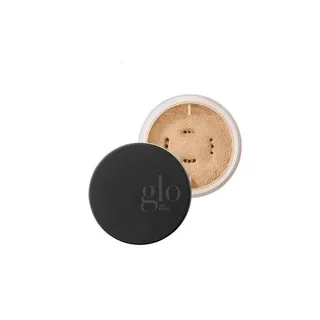
Glo Skin Beauty Loose Base Beige Medium

Glo Skin Beauty Loose Base Beige Medium

Efficacy0/100IrritancyMedium

Works for

Moisturizing
Lauroyl lysine, Tocopherol + 2 more
Not delivered
What the product description says
“Apply to skin that has been cleansed and moisturized.”
Source: Face the future

Does not contain good ingredients to help with moisturization.

Lauroyl lysineEffect: MediumHelps soften the upper layer of the skin and creates a nice product texture~5.5–8.3%
TocopherolEffect: LowPure form of vitamin E. Can help moisturise and protect the skin from free radicals. Often used to help stabilise other ingredients or the formula itself~1.9–2.8%
Camellia sinensis leaf extractEffect: LowCan contain potent anti-oxidant compounds (abbreviated ECG, GCG, EGC, and EGCG) that might help protect the skin from free radicals. Can help calm down inflammation and has some anti-bacterial properties. Unfortunately, these antioxidants are unstable and lose their effectiveness very quickly in products. The concentration of the antioxidant compounds in the extract also tends to be low to be effective in topical formulation~1.1–1.6%
Caprylyl glycol· Humectant, EmollientEffect: LowHelps preserve products and creates a nice product texture~0.8–1.25%
Anti-oxidation
Side benefit · Tocopherol, Camellia sinensis leaf extract + 1 more
Works well

This product contains antioxidants (tocopherol) that can help neutralize free radicals in skin. By doing so, they can lessen the damage the skin gets from the UV light (sun).

The following ingredients - camellia sinensis leaf extract also can have an antioxidant effect, but there is less evidence to confirm their effectiveness in skin.

TocopherolKey activeEffect: HighPure form of vitamin E. Can help moisturise and protect the skin from free radicals. Often used to help stabilise other ingredients or the formula itself~1.9–2.8%
Camellia sinensis leaf extractKey activeEffect: MediumCan contain potent anti-oxidant compounds (abbreviated ECG, GCG, EGC, and EGCG) that might help protect the skin from free radicals. Can help calm down inflammation and has some anti-bacterial properties. Unfortunately, these antioxidants are unstable and lose their effectiveness very quickly in products. The concentration of the antioxidant compounds in the extract also tends to be low to be effective in topical formulation~1.1–1.6%
Ascorbyl palmitateEffect: Low, below effective doseBeing a lipid soluble form of vitamin C, it is more stable and can penetrate the skin better than L-Ascorbic acid. It is effective in protecting the skin from free radicals, as well as evening the skin tone, but is less effective in stimulating collagen production compared to L-Ascorbic acid.~1.4–2.1%
Anti-aging
Side benefit · Retinyl palmitate, Tocopherol + 2 more
May help

This product contains retinyl palmitate. There is some human evidence that this ingredient helps reduce and prevent fine lines and wrinkles and improve skin elasticity and firmness, though it is smaller or less consistent than the evidence for the best anti-aging ingredients.

Retinyl palmitateKey activeEffect: MediumThree steps removed from the active form of vitamin A - retinoic acid. To have an effect in the skin, it first needs to be converted twice to become the retinoic acid. This means it is less potent than retinol, but could also be less irritating. Once converted to the retinoic acid in the skin, it helps against all signs of aging, improves skin cell turnover and helps fight blemishes and clogged pores. However, in many cosmetic formulations, it is used in a concentration that is too low to have the full effect~0.9–1.3%
TocopherolEffect: LowPure form of vitamin E. Can help moisturise and protect the skin from free radicals. Often used to help stabilise other ingredients or the formula itself~1.9–2.8%
Camellia sinensis leaf extractEffect: LowCan contain potent anti-oxidant compounds (abbreviated ECG, GCG, EGC, and EGCG) that might help protect the skin from free radicals. Can help calm down inflammation and has some anti-bacterial properties. Unfortunately, these antioxidants are unstable and lose their effectiveness very quickly in products. The concentration of the antioxidant compounds in the extract also tends to be low to be effective in topical formulation~1.1–1.6%
Ascorbyl palmitateEffect: Low, below effective doseBeing a lipid soluble form of vitamin C, it is more stable and can penetrate the skin better than L-Ascorbic acid. It is effective in protecting the skin from free radicals, as well as evening the skin tone, but is less effective in stimulating collagen production compared to L-Ascorbic acid.~1.4–2.1%
Evens skin tone
Side benefit · Retinyl palmitate, Camellia sinensis leaf extract
May help

The following ingredient (ingredients) in this product might be helpful, but there is no evidence to confirm that it actually works: retinyl palmitate.

Retinyl palmitateKey activeEffect: MediumThree steps removed from the active form of vitamin A - retinoic acid. To have an effect in the skin, it first needs to be converted twice to become the retinoic acid. This means it is less potent than retinol, but could also be less irritating. Once converted to the retinoic acid in the skin, it helps against all signs of aging, improves skin cell turnover and helps fight blemishes and clogged pores. However, in many cosmetic formulations, it is used in a concentration that is too low to have the full effect~0.9–1.3%
Camellia sinensis leaf extractEffect: LowCan contain potent anti-oxidant compounds (abbreviated ECG, GCG, EGC, and EGCG) that might help protect the skin from free radicals. Can help calm down inflammation and has some anti-bacterial properties. Unfortunately, these antioxidants are unstable and lose their effectiveness very quickly in products. The concentration of the antioxidant compounds in the extract also tends to be low to be effective in topical formulation~1.1–1.6%

Can it cause trouble?

Irritancy
1 strong irritant: Retinyl palmitate
Medium risk
We flagged 3 ingredients with irritancy potential. Severity depends on your sensitivity threshold; the table lists the worst offenders first.
IngredientFunctionIrritationEst. amount
Retinyl palmitateThree steps removed from the active form of vitamin A - retinoic acid. To have an effect in the skin, it first needs to be converted twice to become the retinoic acid. This means it is less potent than retinol, but could also be less irritating. Once converted to the retinoic acid in the skin, it helps against all signs of aging, improves skin cell turnover and helps fight blemishes and clogged pores. However, in many cosmetic formulations, it is used in a concentration that is too low to have the full effectHigh~0.9–1.3%est.
Ascorbyl palmitateBeing a lipid soluble form of vitamin C, it is more stable and can penetrate the skin better than L-Ascorbic acid. It is effective in protecting the skin from free radicals, as well as evening the skin tone, but is less effective in stimulating collagen production compared to L-Ascorbic acid.Medium~1.4–2.1%est.
Caprylyl glycolHelps preserve products and creates a nice product textureMedium~0.8–1.25%est.
Comedogenic
Clean of flagged comedogenic ingredients
None flagged

User reviews

Would you recommend?
No community reviews yet.

Be the first — your take helps the next person decide.

Ingredients

Filter by role to see what each ingredient is doing.

Mica~22–33%
Formula
Irritation risk
Low

Creates an illusion of smoother and more radiant skin tone. Adds shimmer to the skin by reflecting light

More about Mica
Lauroyl lysine~5.5–8.3%
Key active
Irritation risk
Low
Works for
Moisturizing

Helps soften the upper layer of the skin and creates a nice product texture

More about Lauroyl lysine
Octyldodecyl stearoyl stearate~4.8–7.1%
Formula
Titanium dioxide~4.1–6.2%
Formula
Irritation risk
Low
Works for
Sun protection

Works as a UV filter when used in high concentrations. It is photostable and is effective mostly against the UVB light, with some protection in the UVA range. In small concentrations, used for its ability to improve the color of cosmetic products. Is usually well tolerated by the skin

More about Titanium dioxide
Phenoxyethanol~0.5–1%
Formula
Irritation risk
Low

A preservative. It helps prevent bacterial growth in cosmetic products

More about Phenoxyethanol
Tocopherol~1.9–2.8%
Key active
Irritation risk
Low
Works for
Anti-oxidationAnti-inflammatoryMoisturizingAnti-aging

Pure form of vitamin E. Can help moisturise and protect the skin from free radicals. Often used to help stabilise other ingredients or the formula itself

More about Tocopherol
Ascorbyl palmitate~1.4–2.1%
Irritant · medium
Irritation risk
Medium
Works for
Anti-oxidationAnti-aging

Being a lipid soluble form of vitamin C, it is more stable and can penetrate the skin better than L-Ascorbic acid. It is effective in protecting the skin from free radicals, as well as evening the skin tone, but is less effective in stimulating collagen production compared to L-Ascorbic acid.

More about Ascorbyl palmitate
Camellia sinensis leaf extract~1.1–1.6%
Key active
Irritation risk
Low
Works for
AntibacterialAnti-oxidationAnti-agingAnti-blemishMoisturizingEvens skin tone

Can contain potent anti-oxidant compounds (abbreviated ECG, GCG, EGC, and EGCG) that might help protect the skin from free radicals. Can help calm down inflammation and has some anti-bacterial properties. Unfortunately, these antioxidants are unstable and lose their effectiveness very quickly in products. The concentration of the antioxidant compounds in the extract also tends to be low to be effective in topical formulation

More about Camellia sinensis leaf extract
Retinyl palmitate~0.9–1.3%
Key activeIrritant · high
Irritation risk
High
Works for
Evens skin toneAnti-blemishAnti-agingExfoliation

Three steps removed from the active form of vitamin A - retinoic acid. To have an effect in the skin, it first needs to be converted twice to become the retinoic acid. This means it is less potent than retinol, but could also be less irritating. Once converted to the retinoic acid in the skin, it helps against all signs of aging, improves skin cell turnover and helps fight blemishes and clogged pores. However, in many cosmetic formulations, it is used in a concentration that is too low to have the full effect

More about Retinyl palmitate
Caprylyl glycol~0.8–1.25%
Irritant · medium
Irritation risk
Medium
Works for
Moisturizing

Helps preserve products and creates a nice product texture

More about Caprylyl glycol
Isopentyldiol~0.45–1.1%
Formula
Irritation risk
Low

Helps dissolve other ingredients in a formulation

More about Isopentyldiol
Water~0.35–0.8%
Formula
Irritation risk
Low

Plain old water

More about Water
Ci 77163~0.15–0.7%
Formula
Irritation risk
Low

Colorant

More about Ci 77163
Iron oxides~0.15–0.7%
Formula
Irritation risk
Low
Works for
Sun protection

An umbrella term for the following three colorants: CI 77491, CI 77492, CI 77499. They might be able to offer some protection against visible light, but the degree of the protection is not clear

More about Iron oxides
Zinc oxide~0.15–0.65%
Formula
Irritation risk
Low
Works for
Sun protection

A broad spectrum sunblock (protects from both UVA and UVB rays). Is suitable for most sensitive skins. In small concentrations, can be used as a colorant

More about Zinc oxide
Ingredient list view

Mica, Lauroyl lysine, Octyldodecyl stearoyl stearate, Titanium dioxide, Phenoxyethanol, Tocopherol, Ascorbyl palmitate, Camellia sinensis leaf extract, Retinyl palmitate, Caprylyl glycol, Isopentyldiol, Water, Ci 77163, Iron oxides, Zinc oxide

Compare prices

Retailers ranked by price — lowest first.

Amazon US
Price unavailable Out of stock
Check

Affiliate links · As an Amazon Associate, WIMJ earns from qualifying purchases.

Cheaper alternatives? See how this stacks up against similar formulas.
We compare ingredient profiles across our catalog — pick the closest match for your budget.
Open dupe finder
Glo Skin Beauty Loose Base Beige Medium
Glo Skin BeautyLoose Base Beige Medium

Affiliate links · As an Amazon Associate, WIMJ earns from qualifying purchases.

As an Amazon Associate, WIMJ earns from qualifying purchases.