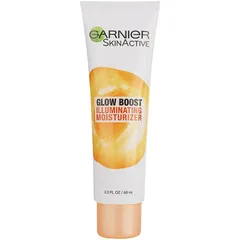
Works for:
based on ingredients and %- Cleansing
- Exfoliation
Doesn't work for:
based on ingredients and %- Anti-blemish
Can it cause trouble?
- Irritation risk: high
- Comedogenic risk ingredients: 2
Key actives

Cleansing
What does the product description say?
The aloe juice line instantly hydrates and refreshes skin while gently cleansing and moisturizing.
Source: Target
This product works by removing dirt and oil from the surface of the skin. It uses a combination of mild cleansing agents (carbomer, cetyl alcohol, polyglyceryl-3 beeswax, polyglyceryl-6 distearate) and should be able to cleanse the skin gently. Still keep in mind that any cleansing can disrupt the skin barrier, and most people do not need to cleanse their skin more than once per day.
Helps create a thicker or gel-like product texture. It is not a surfactant but can be used in gentle cleansing formulations
A non-drying alcohol that works to soften the skin and stabilize product formulations helping oil and water mix together
Helps water and oil mix together. Could be an allergen (beeswax)
Helps oil and water mix together while softening the upper layer of the skin
Exfoliation
What does the product description say?
This line features a 3-in-1 moisturizer, a deep pore exfoliating face scrub and a deep pore face wash.
Source: Target
This product can help exfoliate the skin. In other words, it helps break down the bonds between dead cells on the surface of the skin and speed up the skin turnover. Skin often appears softer and brighter after exfoliation, but overdoing it can result in disrupted skin barrier. The following ingredient is doing the exfoliating job in this product: capryloyl salicylic acid.
Anti-blemish
What does the product description say?
This line features a 3-in-1 moisturizer, a deep pore exfoliating face scrub and a deep pore face wash.
Source: Target
This product contains ingredients (capryloyl salicylic acid) that could help reduce blemishes and clogged pores in theory, but there is not enough evidence that they actually work.
How honest is this product?
| Promise | Can it deliver? |
|---|---|
| Cleansing | |
| Exfoliation | |
| Anti-blemish |
Total Promises Fulfilled score: 83/100.
We receive a small commission for purchases made through these links at no cost for you. Thank you for your support! Learn more
Potential irritants
Comedogenic ingredients
User reviews (0)
Averages from community submissions.
No reviews yet for this product.
Be the first to share your experience!
Tried this product?
Help capture what the ingredient list can't—texture, finish, pilling, scent, and more. Answer what you can, skip the rest.
Takes ~30 seconds.
Reviews are shown in aggregate. No personal details.
| Product | Similarity | Price | Irritancy |
|---|---|---|---|
 Garnier Apricot Illuminating Facial Moisturizers | Current | - | |
 Tula Acne Spot Treatment | 54% | ≈ $43.41 |
Key Actives
A great moisturising ingredient that softens the skin and reduces water loss from its upper layer. It also can be helpful in protecting skin from free radicals
Helps oil and water mix together while softening the upper layer of the skin
An emollient that helps soften the skin
A non-drying alcohol that works to soften the skin and stabilize product formulations helping oil and water mix together
One of the best moisturizing ingredients. Naturally present in skin. It attracts water to the upper layer of the skin working as a humectant
Helps create a thicker or gel-like product texture. It is not a surfactant but can be used in gentle cleansing formulations
An emollient made of jojoba oil. Helps soften the skin and support its barrier function
Works as a UV filter when used in high concentrations. It is photostable and is effective mostly against the UVB light, with some protection in the UVA range. In small concentrations, used for its ability to improve the color of cosmetic products. Is usually well tolerated by the skin
Helps water and oil mix together. Could be an allergen (beeswax)
Potential irritants
Produces temporary toning effect. Can help dissolve other ingredients or preserve products
An aromatic blend of unspecified and possibly irritating ingredients
A preservative. Can be used to mask unpleasant smell. Can be irritating
A common frangrance that can easily irritate skin, especially if exposed to air, light or heat
Helps soften the upper layer of the skin and create a thicker product consistency
Helps oil and water mix together while softening the upper layer of the skin
An emollient made of jojoba oil. Helps soften the skin and support its barrier function
Helps preserve products and creates a nice product texture
Helps water and oil mix together. Could be an allergen (beeswax)
Maintains the texture of skincare products. Allows the product to spread evenly. Helps oil and water mix together
Helps to control the skin's pH level. Maintains the skin's natural film of amino-lactic acids and oils. Helps to preserve products
Can work as an exfoliant but is typically used to adjust the product pH
Comedogenic ingredients
A great moisturising ingredient that softens the skin and reduces water loss from its upper layer. It also can be helpful in protecting skin from free radicals
Helps soften the upper layer of the skin and create a thicker product consistency
All ingredients
One of the best moisturizing ingredients. Naturally present in skin. It attracts water to the upper layer of the skin working as a humectant
Helps soften the upper layer of the skin while creating a non-greasy feel on the skin. Helps to dissolve other ingredients
Produces temporary toning effect. Can help dissolve other ingredients or preserve products
Acts as a solvent for other ingredients. Speeds up the absorption of other ingredients into the skin
A great moisturising ingredient that softens the skin and reduces water loss from its upper layer. It also can be helpful in protecting skin from free radicals
Helps soften the upper layer of the skin and create a thicker product consistency
Helps oil and water mix together while softening the upper layer of the skin
Helps create a thicker or gel-like product texture. It is not a surfactant but can be used in gentle cleansing formulations
Creates an illusion of smoother and more radiant skin tone. Adds shimmer to the skin by reflecting light
A mineral that is used as an optical filter (makes the skin looks nicer through light reflection) and to improve the texture of cosmetic products
An emollient made of jojoba oil. Helps soften the skin and support its barrier function
Works as a UV filter when used in high concentrations. It is photostable and is effective mostly against the UVB light, with some protection in the UVA range. In small concentrations, used for its ability to improve the color of cosmetic products. Is usually well tolerated by the skin
Helps preserve products and creates a nice product texture
An umbrella term for the following three colorants: CI 77491, CI 77492, CI 77499. They might be able to offer some protection against visible light, but the degree of the protection is not clear
Helps water and oil mix together. Could be an allergen (beeswax)
A non-drying alcohol that works to soften the skin and stabilize product formulations helping oil and water mix together
Maintains the texture of skincare products. Allows the product to spread evenly. Helps oil and water mix together
An aromatic blend of unspecified and possibly irritating ingredients
A colorant that can add a pearl-like appearance to the formulation
The same compound that is used safely in dental implants and bone cements. In cosmetics, it is used to improve the consistency of products
A preservative. Can be used to mask unpleasant smell. Can be irritating
A common frangrance that can easily irritate skin, especially if exposed to air, light or heat
Pure form of vitamin E. Can help moisturise and protect the skin from free radicals. Often used to help stabilise other ingredients or the formula itself
Helps to control the skin's pH level. Maintains the skin's natural film of amino-lactic acids and oils. Helps to preserve products
Can work as an exfoliant but is typically used to adjust the product pH
Ingredient list view
Water, Glycerin, Dicaprylyl ether, Alcohol denat., Propanediol, Butyrospermum parkii butter, Isopropyl palmitate, Polyglyceryl-6 distearate, Carbomer, Mica, Synthetic fluorphlogopite, Prunus armeniaca kernel oil, Jojoba esters, Ci 77891, Titanium dioxide, Capryloyl salicylic acid, Caprylyl glycol, Ci 77491, Iron oxides, Polyglyceryl-3 beeswax, Cetyl alcohol, Sodium hydroxide, Acrylates/c10-30 alkyl acrylate crosspolymer, Parfum, Sodium phytate, Ci 77163, Tin oxide, Benzyl salicylate, Alumina, Prunus serrulata flower extract, Linalool, Benzyl alcohol, Limonene, Tocopherol, Potassium sorbate, Sodium benzoate, Sodium citrate, Citric acid