Works for:
based on ingredients and %- Moisturizing
Can it cause trouble?
- Irritation risk: high
- Comedogenic risk ingredients: 3
Key actives

Works for
Moisturizing
What does the product description say?
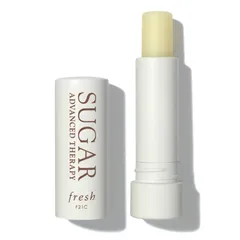
Key Benefits Enhancing lip treatment for pouts prone to stress, dehydration and fatigueHelps to improve definition and volumePlumps, protects and moisturises the lipsContains orange extract, hyaluronic acid, sugar, beeswax, and carnauba waxAntioxidant-rich formula helps to hydrate lips for up to 24 hoursPrepares pouts for colour application UK200025594
Source: SpaceNK
This product can help improve hydration of the skin with the two types of ingredients.
The first type is called “humectants”:
these ingredients help attract water.
When humectants are on the surface of the skin, they “pull in” the moisture from the outside environment, or from
within deeper layers of the skin. The following ingredients in this product do the job:
sodium hyaluronate, butylene glycol.
This product also contains ingredients called “occlusives”. They help reduce the speed with which our skin loses moisture to the outside environment. These ingredients also help soften the upper layer of the skin, so it feels less tight and nicer to the touch. The following ingredients in this product do the job: beeswax, cera alba.
A great emollient that can also have anti-oxidant properties
Forms a protective barrier that holds water and keeps dry skin hydrated. Keeps an emulsion from separating into its oil and liquid components, and increases the thickness of a product. Can be an allergen
Forms a protective barrier that holds water and keeps dry skin hydrated. Keeps an emulsion from separating into its oil and liquid components, and increases the thickness of a product. Can be an allergen
This oil's cmposition is closest to rapeseed oil. It is a very stable oil and serves as an emoillient
An emollient. Can be helpful for restoring skin barrier function.
A plant oil that can help soften the skin. It might be helpful in calming down inflammation, but solid research is lacking. Is often used in lip products to create the needed product consistency
Softens the upper layer of skin and helps restore the healthy skin barrier. Has shown to help calm down inflammation in skin. It is a stable oil, meaning that it retains its properties even when exposed to air.
One of the best moisturizing ingredients. Attracts water into the upper layer of the skin
Helps soften the upper layer of the skin and might as well help to attract moisture to its upper layer
An emollient that helps soften the skin and create a nice product texture
Helps soften the upper layer of the skin
Helps soften the upper layer of the skin and improve the product texture
Helps soften the skin and attract water to its upper layer. Helps create nice product texture
An algae extract that might have anti-oxidant properties
An oil from a mixture of different vegetables. Helps soften the upper layer of the skin
A plant oil that can help soften the upper layer of the skin. Contains essential oil that can be irritating
Helps preserve products and creates a nice product texture
Used to create a nice product texture and help delivery of other ingredients. Might be somewhat helpful in attracting water to the upper layer of the skin
A good mix of fatty acids that forms a protective layer on the skin. Improves the shelf life of products. Derived from coconut and glycerin
A vitamin C derivative. Studies show that is might be effective in reducing hyperpigmentation, but there are no studies confirming that it is effectively converted into the bioavailable form of Vitamin C in skin. It is not clear how this derivative compares in effectiveness to the topical application of bioavailable form of vitamin C (L-ascorbic acid)
Pure form of vitamin E. Can help moisturise and protect the skin from free radicals. Often used to help stabilise other ingredients or the formula itself
How honest is this product?
| Promise | Can it deliver? |
|---|---|
| Moisturizing |
Total Promises Fulfilled score: 75/100.
We receive a small commission for purchases made through these links at no cost for you. Thank you for your support! Learn more
Potential irritants
Comedogenic ingredients
User reviews (0)
Averages from community submissions.
No reviews yet for this product.
Be the first to share your experience!
Tried this product?
Help capture what the ingredient list can't—texture, finish, pilling, scent, and more. Answer what you can, skip the rest.
Takes ~30 seconds.
Reviews are shown in aggregate. No personal details.
Key Actives
Pure form of vitamin E. Can help moisturise and protect the skin from free radicals. Often used to help stabilise other ingredients or the formula itself
This oil's cmposition is closest to rapeseed oil. It is a very stable oil and serves as an emoillient
Forms a protective barrier that holds water and keeps dry skin hydrated. Keeps an emulsion from separating into its oil and liquid components, and increases the thickness of a product. Can be an allergen
A plant oil that can help soften the skin. It might be helpful in calming down inflammation, but solid research is lacking. Is often used in lip products to create the needed product consistency
A great emollient that can also have anti-oxidant properties
An emollient. Can be helpful for restoring skin barrier function.
Forms a protective barrier that holds water and keeps dry skin hydrated. Keeps an emulsion from separating into its oil and liquid components, and increases the thickness of a product. Can be an allergen
Softens the upper layer of skin and helps restore the healthy skin barrier. Has shown to help calm down inflammation in skin. It is a stable oil, meaning that it retains its properties even when exposed to air.
Helps soften the upper layer of the skin and might as well help to attract moisture to its upper layer
A good mix of fatty acids that forms a protective layer on the skin. Improves the shelf life of products. Derived from coconut and glycerin
One of the best moisturizing ingredients. Attracts water into the upper layer of the skin
Potential irritants
An aromatic blend of unspecified and possibly irritating ingredients
A plant oil that can help soften the upper layer of the skin. Contains essential oil that can be irritating
A plant extract might be helpful in neutralizing free radicals and reducing inflammation in skin
A common frangrance that can easily irritate skin, especially if exposed to air, light or heat
A preservative. Can be used to mask unpleasant smell. Can be irritating
Forms a protective barrier that holds water and keeps dry skin hydrated. Keeps an emulsion from separating into its oil and liquid components, and increases the thickness of a product. Can be an allergen
Softens the upper layer of skin and helps restore the healthy skin barrier. Has shown to help calm down inflammation in skin. It is a stable oil, meaning that it retains its properties even when exposed to air.
A plant oil that can help soften the skin. It might be helpful in calming down inflammation, but solid research is lacking. Is often used in lip products to create the needed product consistency
A great emollient that can also have anti-oxidant properties
Helps soften the upper layer of the skin and might as well help to attract moisture to its upper layer
An emollient. Can be helpful for restoring skin barrier function.
A vitamin C derivative. Studies show that is might be effective in reducing hyperpigmentation, but there are no studies confirming that it is effectively converted into the bioavailable form of Vitamin C in skin. It is not clear how this derivative compares in effectiveness to the topical application of bioavailable form of vitamin C (L-ascorbic acid)
A more stable but less bio-available form of vitamin E compared to Tocopherol. Might help moisturize and protect the skin from free radicals, but mostly used in low concentrations to stabilize other ingredients.
Being a lipid soluble form of vitamin C, it is more stable and can penetrate the skin better than L-Ascorbic acid. It is effective in protecting the skin from free radicals, as well as evening the skin tone, but is less effective in stimulating collagen production compared to L-Ascorbic acid.
A good mix of fatty acids that forms a protective layer on the skin. Improves the shelf life of products. Derived from coconut and glycerin
Helps preserve products and creates a nice product texture
Comedogenic ingredients
An emollient that helps soften the skin and create a nice product texture
An oil from a mixture of different vegetables. Helps soften the upper layer of the skin
An algae extract that might have anti-oxidant properties
All ingredients
Forms a protective barrier that holds water and keeps dry skin hydrated. Keeps an emulsion from separating into its oil and liquid components, and increases the thickness of a product. Can be an allergen
Forms a protective barrier that holds water and keeps dry skin hydrated. Keeps an emulsion from separating into its oil and liquid components, and increases the thickness of a product. Can be an allergen
Softens the upper layer of skin and helps restore the healthy skin barrier. Has shown to help calm down inflammation in skin. It is a stable oil, meaning that it retains its properties even when exposed to air.
Helps soften the skin and attract water to its upper layer. Helps create nice product texture
A plant oil that can help soften the skin. It might be helpful in calming down inflammation, but solid research is lacking. Is often used in lip products to create the needed product consistency
A great emollient that can also have anti-oxidant properties
An emollient that helps soften the skin and create a nice product texture
An aromatic blend of unspecified and possibly irritating ingredients
Helps soften the upper layer of the skin and might as well help to attract moisture to its upper layer
This oil's cmposition is closest to rapeseed oil. It is a very stable oil and serves as an emoillient
An oil from a mixture of different vegetables. Helps soften the upper layer of the skin
A plant oil that can help soften the upper layer of the skin. Contains essential oil that can be irritating
An algae extract that might have anti-oxidant properties
A plant extract might be helpful in neutralizing free radicals and reducing inflammation in skin
An emollient. Can be helpful for restoring skin barrier function.
Pure form of vitamin E. Can help moisturise and protect the skin from free radicals. Often used to help stabilise other ingredients or the formula itself
A vitamin C derivative. Studies show that is might be effective in reducing hyperpigmentation, but there are no studies confirming that it is effectively converted into the bioavailable form of Vitamin C in skin. It is not clear how this derivative compares in effectiveness to the topical application of bioavailable form of vitamin C (L-ascorbic acid)
A more stable but less bio-available form of vitamin E compared to Tocopherol. Might help moisturize and protect the skin from free radicals, but mostly used in low concentrations to stabilize other ingredients.
Being a lipid soluble form of vitamin C, it is more stable and can penetrate the skin better than L-Ascorbic acid. It is effective in protecting the skin from free radicals, as well as evening the skin tone, but is less effective in stimulating collagen production compared to L-Ascorbic acid.
A good mix of fatty acids that forms a protective layer on the skin. Improves the shelf life of products. Derived from coconut and glycerin
Helps soften the upper layer of the skin and improve the product texture
Used to create a nice product texture and help delivery of other ingredients. Might be somewhat helpful in attracting water to the upper layer of the skin
Helps preserve products and creates a nice product texture
One of the best moisturizing ingredients. Attracts water into the upper layer of the skin
A preservative. It helps prevent bacterial growth in cosmetic products
A common frangrance that can easily irritate skin, especially if exposed to air, light or heat
A preservative. Can be used to mask unpleasant smell. Can be irritating
Ingredient list view
Cera alba, Beeswax, Simmondsia chinensis seed oil, C10-18 triglycerides, Hydrogenated olive oil decyl esters, Ricinus communis seed oil, Vitis vinifera seed oil, Ethylhexyl palmitate, Parfum, Theobroma grandiflorum seed butter, Prunus domestica seed oil, Unknown, Limnanthes alba seed oil, Hydrogenated vegetable oil, Passiflora incarnata seed oil, Sucrose tetrastearate triacetate, Crithmum maritimum extract, Commiphora mukul resin extract, Ribes nigrum seed oil, Tocopherol, Ascorbyl tetraisopalmitate, Tocopheryl acetate, Ascorbyl palmitate, Peg-6 isostearate, Caprylic/capric triglyceride, Ammonium glycyrrhizate, Trihydroxystearin, Hesperetin laurate, Vanillin, Butylene glycol, Bht, Caprylyl glycol, Sodium hyaluronate, Hexylene glycol, Phenoxyethanol, Limonene, Citral, Benzyl alcohol, Linalool, Geraniol
- Efficacy of barrier creams in comparison to skin care products in dental laboratory technicians--a controlled trial
- Final report on the safety assessment of Ricinus Communis (Castor) Seed Oil, Hydrogenated Castor Oil, Glyceryl Ricinoleate, Glyceryl Ricinoleate SE, Ricinoleic Acid, Potassium Ricinoleate, Sodium Ricinoleate, Zinc Ricinoleate, Cetyl Ricinoleate, Ethyl Ricinoleate, Glycol Ricinoleate, Isopropyl Ricinoleate, Methyl Ricinoleate, and Octyldodecyl Ricinoleate
- Castor Oil: Properties, Uses, and Optimization of Processing Parameters in Commercial Production
- Effect of ricinoleic acid in acute and subchronic experimental models of inflammation
- Advanced Skin Care – A Novel Ingredient
- Chemical composition of essential oils of Passiflora edulis f. flavicarpa agroindustrial waste
- Pharmacology and Phytochemistry of Oleo-Gum Resin of Commiphora wightii (Guggulu)
- Vitamin E in dermatology
- Vitamin E and Skin Health
- Assessment of penetration of Ascorbyl Tetraisopalmitate into biological membranes by molecular dynamics
- Stability evaluation of tocopheryl acetate and ascorbyl tetraisopalmitate in isolation and incorporated in cosmetic formulations using thermal analysis
- A new lipophilic pro-vitamin C, tetra-isopalmitoyl ascorbic acid (VC-IP), prevents UV-induced skin pigmentation through its anti-oxidative properties
- New lipophilic pro-vitamin C, tetra-isopalmitoyl ascorbic acid (VC-IP), suppresses senile lentigo through controlling of melanocytes-keratinocytes interaction
- Hyaluronic acid: A key molecule in skin aging
- Hyaluronan (Hyaluronic Acid): a natural moisturizer for skin care
- Annex I: Clinical evidence regarding sensitisation to individual fragrance chemicals and to natural extracts