Works for:
based on ingredients and %- Cleansing
Can it cause trouble?
- Irritation risk: high
- Comedogenic risk ingredients: 1
Key actives
Works for
Cleansing
What does the product description say?
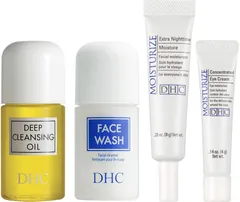
Face Wash (0.
Source: Ulta
This product works by removing dirt and oil from the surface of the skin. It uses a combination of mild cleansing agents (carbomer, cetyl alcohol, disodium lauriminodiacetate, disodium lauryl sulfosuccinate, glyceryl stearate se, glycol distearate, hydrogenated palm oil, isostearic acid, isostearoyl hydrolyzed collagen, lauramide dea, lauramine oxide, polysorbate 60, sodium cocoamphoacetate, sorbeth-30 tetraoleate, sorbitan stearate, tea-cocoyl glutamate) and should be able to cleanse the skin gently. Still keep in mind that any cleansing can disrupt the skin barrier, and most people do not need to cleanse their skin more than once per day.
A non-drying alcohol that works to soften the skin and stabilize product formulations helping oil and water mix together
Used as a cleansing agent. Helps water and oil mix together
Used to stabilize the product formulations and works as an emollient
Helps water and oil mix together
Helps soften the upper layer of the skin
Used to create a nice product texture
Helps oil and water mix together
Helps oil and water mix together and works as a cleansing agent. Creates foam
Helps water and oil mix together
Helps water and oil mix together
Helps create a thicker or gel-like product texture. It is not a surfactant but can be used in gentle cleansing formulations
Helps oil and water mix together and works as an emollient
How honest is this product?
| Promise | Can it deliver? |
|---|---|
| Cleansing |
Total Promises Fulfilled score: 100/100.
Potential irritants
Comedogenic ingredients
User reviews (0)
Averages from community submissions.
No reviews yet for this product.
Be the first to share your experience!
Tried this product?
Help capture what the ingredient list can't—texture, finish, pilling, scent, and more. Answer what you can, skip the rest.
Takes ~30 seconds.
Reviews are shown in aggregate. No personal details.
Key Actives
Pure form of vitamin E. Can help moisturise and protect the skin from free radicals. Often used to help stabilise other ingredients or the formula itself
A fatty acid derived from licorice. Works as an emollient and can help calm down inflammation
Pure form of vitamin E. Can help moisturise and protect the skin from free radicals. Often used to help stabilise other ingredients or the formula itself
Pure form of vitamin E. Can help moisturise and protect the skin from free radicals. Often used to help stabilise other ingredients or the formula itself
Pure form of vitamin E. Can help moisturise and protect the skin from free radicals. Often used to help stabilise other ingredients or the formula itself
A salt derived from licorice. Works as an emollient to soften the upper layer of the skin and can help calm down inflammation. Might be helpful for skin lightening
Can be helpful in reducing inflammation in skin, including inflamed acne. It can be irritating
A salt derived from licorice. Works as an emollient to soften the upper layer of the skin and can help calm down inflammation. Might be helpful for skin lightening
Can be helpful in reducing inflammation in skin, including inflamed acne. It can be irritating
A salt derived from licorice. Works as an emollient to soften the upper layer of the skin and can help calm down inflammation. Might be helpful for skin lightening
An amino-acid that helps to attract water to the upper layer of the skin. In combination with other amino-acids, might help to reduce fine lines and wrinkles
Helps soften the upper layer of the skin
Used to stabilize the product formulations and works as an emollient
Helps oil and water mix together and works as an emollient
An amino-acid that helps to attract water to the upper layer of the skin. In combination with other amino-acids, might help to reduce fine lines and wrinkles
Helps oil and water mix together and works as an emollient
Helps soften the upper layer of the skin
A non-drying alcohol that works to soften the skin and stabilize product formulations helping oil and water mix together
A good mix of fatty acids that forms a protective layer on the skin. Improves the shelf life of products. Derived from coconut and glycerin
Helps water and oil mix together
Used as a cleansing agent. Helps water and oil mix together
Helps oil and water mix together and works as a cleansing agent. Creates foam
Helps soften the upper layer of the skin
One of the best moisturizing ingredients. Naturally present in skin. It attracts water to the upper layer of the skin working as a humectant
An oil naturally present in skin. Works as an emollient to soften the skin and form a protective layer on its surface without a greasy feeling.
Helps create a thicker or gel-like product texture. It is not a surfactant but can be used in gentle cleansing formulations
One of the best moisturizing ingredients. Attracts water into the upper layer of the skin
A good mix of fatty acids that forms a protective layer on the skin. Improves the shelf life of products. Derived from coconut and glycerin
An oil naturally present in skin. Works as an emollient to soften the skin and form a protective layer on its surface without a greasy feeling.
One of the best moisturizing ingredients. Naturally present in skin. It attracts water to the upper layer of the skin working as a humectant
Helps create a thicker or gel-like product texture. It is not a surfactant but can be used in gentle cleansing formulations
Helps attract water to the upper layer of the skin and is claimed to provide a longer-lasting hydration because of its ability to create a water-binding film on the surface of the skin
One of the best moisturizing ingredients. Attracts water into the upper layer of the skin
Potential irritants
A plant oil with high content of volatile compounds that can irritate the skin. Can be used as a fragrance. Has anti-bacterial properties and might help neutralize free radicals on the surface of the skin
A plant oil with high content of volatile compounds that can irritate the skin. Can be used as a fragrance. Has anti-bacterial properties and might help neutralize free radicals on the surface of the skin
Can be helpful in reducing inflammation in skin, including inflamed acne. It can be irritating
Can be drying and contribute to skin irritation. Used in formulars to dissolve other ingredients, create a thinner product consistency or for its antibacterial properties
Can be helpful in reducing inflammation in skin, including inflamed acne. It can be irritating
Plant extract. Might have some anti-oxidant properties. Can be irritating
A plant extract that might have some anti-inflammatory properties, but solid evidence is lacking. It can be irritating
An emollient that helps soften the skin but is not effective for restoring its barrier function. Might be helpful to calm down inflammation
A good mix of fatty acids that forms a protective layer on the skin. Improves the shelf life of products. Derived from coconut and glycerin
Used to preserve products, dissolve other ingredients and create a nice product texture
A fatty acid derived from licorice. Works as an emollient and can help calm down inflammation
Used as a cleansing agent. Helps water and oil mix together
Helps oil and water mix together and works as a cleansing agent. Creates foam
Can work as an exfoliant but is typically used to adjust the product pH
Used to preserve products, dissolve other ingredients and create a nice product texture
An emollient that helps soften the skin but is not effective for restoring its barrier function. Might be helpful to calm down inflammation
An emollient that helps soften the skin and creates a thicker product texture
An emollient that helps soften the skin but is not effective for restoring its barrier function. Might be helpful to calm down inflammation
Used to preserve products, dissolve other ingredients and create a nice product texture
A preservative that comes from radishes fermented by a bacteria. New research suggests that the preservation properties in the ingredient come from an ammonium salt that is not present naturally in radish root but used in its cultivation. Is problematic because the exact amount of the preservative agents is difficult to determine
A good mix of fatty acids that forms a protective layer on the skin. Improves the shelf life of products. Derived from coconut and glycerin
An emollient that helps soften the skin but is not effective for restoring its barrier function. Might be helpful to calm down inflammation
Used to preserve products, dissolve other ingredients and create a nice product texture
A preservative that comes from radishes fermented by a bacteria. New research suggests that the preservation properties in the ingredient come from an ammonium salt that is not present naturally in radish root but used in its cultivation. Is problematic because the exact amount of the preservative agents is difficult to determine
Might be somewhat helpful in reducing hyperpigmentation and neutralizing free radicals but its typical concentration in a product is too low for having an effect
A compound secreted by bees. Might be able to attract water to the top layer of the skin. Avoid if sensitive to honey and bee products
Can work as an exfoliant but is typically used to adjust the product pH
Comedogenic ingredients
Used to stabilize the product formulations and works as an emollient
All ingredients
An emollient that helps soften the skin but is not effective for restoring its barrier function. Might be helpful to calm down inflammation
A good mix of fatty acids that forms a protective layer on the skin. Improves the shelf life of products. Derived from coconut and glycerin
Used to preserve products, dissolve other ingredients and create a nice product texture
A preservative. It helps prevent bacterial growth in cosmetic products
Pure form of vitamin E. Can help moisturise and protect the skin from free radicals. Often used to help stabilise other ingredients or the formula itself
A fatty acid derived from licorice. Works as an emollient and can help calm down inflammation
A plant oil with high content of volatile compounds that can irritate the skin. Can be used as a fragrance. Has anti-bacterial properties and might help neutralize free radicals on the surface of the skin
Used as a cleansing agent. Helps water and oil mix together
Helps oil and water mix together and works as a cleansing agent. Creates foam
Used to create a nice product texture and help delivery of other ingredients. Might be somewhat helpful in attracting water to the upper layer of the skin
A preservative. It helps prevent bacterial growth in cosmetic products
Can work as an exfoliant but is typically used to adjust the product pH
Used to preserve products, dissolve other ingredients and create a nice product texture
A salt derived from licorice. Works as an emollient to soften the upper layer of the skin and can help calm down inflammation. Might be helpful for skin lightening
An amino-acid that helps to attract water to the upper layer of the skin. In combination with other amino-acids, might help to reduce fine lines and wrinkles
A plant oil with high content of volatile compounds that can irritate the skin. Can be used as a fragrance. Has anti-bacterial properties and might help neutralize free radicals on the surface of the skin
Pure form of vitamin E. Can help moisturise and protect the skin from free radicals. Often used to help stabilise other ingredients or the formula itself
An emollient that helps soften the skin but is not effective for restoring its barrier function. Might be helpful to calm down inflammation
Can be helpful in reducing inflammation in skin, including inflamed acne. It can be irritating
Used to create a nice product texture and help delivery of other ingredients. Might be somewhat helpful in attracting water to the upper layer of the skin
An emollient that helps soften the skin and creates a thicker product texture
One of the best moisturizing ingredients. Naturally present in skin. It attracts water to the upper layer of the skin working as a humectant
An emollient that helps soften the skin but is not effective for restoring its barrier function. Might be helpful to calm down inflammation
An oil naturally present in skin. Works as an emollient to soften the skin and form a protective layer on its surface without a greasy feeling.
Used to stabilize the product formulations and works as an emollient
Non-drying alcohol that helps water and oil mix together. Also serves as an emollient
Used to preserve products, dissolve other ingredients and create a nice product texture
A preservative that comes from radishes fermented by a bacteria. New research suggests that the preservation properties in the ingredient come from an ammonium salt that is not present naturally in radish root but used in its cultivation. Is problematic because the exact amount of the preservative agents is difficult to determine
A preservative. It helps prevent bacterial growth in cosmetic products
Helps create a thicker or gel-like product texture. It is not a surfactant but can be used in gentle cleansing formulations
An amino-acid that helps to attract water to the upper layer of the skin. In combination with other amino-acids, might help to reduce fine lines and wrinkles
A salt derived from licorice. Works as an emollient to soften the upper layer of the skin and can help calm down inflammation. Might be helpful for skin lightening
Pure form of vitamin E. Can help moisturise and protect the skin from free radicals. Often used to help stabilise other ingredients or the formula itself
One of the best moisturizing ingredients. Attracts water into the upper layer of the skin
Used to create a nice product texture and help delivery of other ingredients. Might be somewhat helpful in attracting water to the upper layer of the skin
A good mix of fatty acids that forms a protective layer on the skin. Improves the shelf life of products. Derived from coconut and glycerin
An emollient that helps soften the skin but is not effective for restoring its barrier function. Might be helpful to calm down inflammation
An oil naturally present in skin. Works as an emollient to soften the skin and form a protective layer on its surface without a greasy feeling.
One of the best moisturizing ingredients. Naturally present in skin. It attracts water to the upper layer of the skin working as a humectant
Used to preserve products, dissolve other ingredients and create a nice product texture
A preservative that comes from radishes fermented by a bacteria. New research suggests that the preservation properties in the ingredient come from an ammonium salt that is not present naturally in radish root but used in its cultivation. Is problematic because the exact amount of the preservative agents is difficult to determine
A non-drying alcohol that works to soften the skin and stabilize product formulations helping oil and water mix together
Can be drying and contribute to skin irritation. Used in formulars to dissolve other ingredients, create a thinner product consistency or for its antibacterial properties
A preservative. It helps prevent bacterial growth in cosmetic products
Can be helpful in reducing inflammation in skin, including inflamed acne. It can be irritating
Helps create a thicker or gel-like product texture. It is not a surfactant but can be used in gentle cleansing formulations
Might be helpful in restoring skin barrier function and, when combined with zinc carbonate and malonic acid, reducing fine lines and wrinkles by stimulating elastin production. Also helps stabilize the product formulation
A salt derived from licorice. Works as an emollient to soften the upper layer of the skin and can help calm down inflammation. Might be helpful for skin lightening
Pure form of vitamin E. Can help moisturise and protect the skin from free radicals. Often used to help stabilise other ingredients or the formula itself
Helps attract water to the upper layer of the skin and is claimed to provide a longer-lasting hydration because of its ability to create a water-binding film on the surface of the skin
Plant extract. Might have some anti-oxidant properties. Can be irritating
One of the best moisturizing ingredients. Attracts water into the upper layer of the skin
A plant extract that might have some anti-inflammatory properties, but solid evidence is lacking. It can be irritating
Might be somewhat helpful in reducing hyperpigmentation and neutralizing free radicals but its typical concentration in a product is too low for having an effect
A compound secreted by bees. Might be able to attract water to the top layer of the skin. Avoid if sensitive to honey and bee products
Can work as an exfoliant but is typically used to adjust the product pH
Ingredient list view
Olea europaea fruit oil, Caprylic/capric triglyceride, Sorbeth-30 tetraoleate, Pentylene glycol, Phenoxyethanol, Tocopherol, Stearyl glycyrrhetinate, Rosmarinus officinalis leaf oil, Water, Lauramide dea, Lauramine oxide, Disodium lauriminodiacetate, Disodium lauryl sulfosuccinate, Sodium cocoamphoacetate, Tea-cocoyl glutamate, Butylene glycol, Glycol distearate, Phenoxyethanol, Citric acid, Pentylene glycol, Dipotassium glycyrrhizate, Serine, Etidronic acid, Rosmarinus officinalis leaf oil, Tocopherol, Olea europaea fruit oil, Rosmarinus officinalis leaf extract, Water, Butylene glycol, Cetyl ethylhexanoate, Triethylhexanoin, Glycerin, Hydrogenated palm oil, Olea europaea fruit oil, Squalane, Glyceryl stearate se, Stearic acid, Behenyl alcohol, Pentylene glycol, Polysorbate 60, Leuconostoc/radish root ferment filtrate, Isostearic acid, Phenoxyethanol, Carbomer, Serine, Dipotassium glycyrrhizate, Potassium hydroxide, Tocopherol, Sodium hyaluronate, Isostearoyl hydrolyzed collagen, Cream, Water, Butylene glycol, Caprylic/capric triglyceride, Olea europaea fruit oil, Stearic acid, Hydrogenated palm oil, Squalane, Glycerin, Pentylene glycol, Polysorbate 60, Leuconostoc/radish root ferment filtrate, Cetyl alcohol, Sorbitan stearate, Alcohol, Phenoxyethanol, Potassium hydroxide, Rosmarinus officinalis leaf extract, Carbomer, Magnesium aluminum silicate, Dipotassium glycyrrhizate, Tocopherol, Biosaccharide gum-1, Aesculus hippocastanum seed extract, Sodium hyaluronate, Sasa veitchii leaf extract, Panax ginseng root extract, Cucumis sativus fruit extract, Royal jelly extract, Citric acid
- Use of “natural” oils for moisturization: Review of olive, coconut, and sunflower seed oil
- Vitamin E in dermatology
- Vitamin E and Skin Health
- Assessment report on Rosmarinus officinalis L., aetheroleum and Rosmarinus officinalis L., folium
- Screening of plant extracts for antimicrobial activity against bacteria and yeasts with dermatological relevance
- Occupational contact dermatitis due to essential oils
- The in vitro antimicrobial activity and chemometric modelling of 59 commercial essential oils against pathogens of dermatological relevance
- Antimicrobial and Antioxidant Properties of Rosemary and Sage (Rosmarinus officinalis L. and Salvia officinalis L., Lamiaceae) Essential Oils
- Chemical Composition, Plant Genetic Differences, Antimicrobial and Antifungal Activity Investigation of the Essential Oil of Rosmarinus officinalis L.
- Ameliorating effect of dipotassium glycyrrhizinate on an IL-4- and IL-13-induced atopic dermatitis-like skin-equivalent model
- Final report on the safety assessment of Glycyrrhetinic Acid, Potassium Glycyrrhetinate, Disodium Succinoyl Glycyrrhetinate, Glyceryl Glycyrrhetinate, Glycyrrhetinyl Stearate, Stearyl Glycyrrhetinate, Glycyrrhizic Acid, Ammonium Glycyrrhizate, Dipotassium Glycyrrhizate, Disodium Glycyrrhizate, Trisodium Glycyrrhizate, Methyl Glycyrrhizate, and Potassium Glycyrrhizinate.
- Topical palmitoyl pentapeptide provides improvement in photoaged human facial skin
- Allergic contact dermatitis induced by rosemary leaf extract in a cleansing gel
- Safety Assessment of Rosmarinus officinalis (Rosemary)-Derived Ingredients as Used in Cosmetics
- Rosmarinus officinalis Extract Suppresses Propionibacterium acnes–Induced Inflammatory Responses
- Amended Safety Assessment of Triglycerides as Used in Cosmetics
- Glycerol and the skin: holistic approach to its origin and functions
- Hyaluronic acid: A key molecule in skin aging
- Hyaluronan (Hyaluronic Acid): a natural moisturizer for skin care
- Final report on the safety assessment of aluminum silicate, calcium silicate, magnesium aluminum silicate, magnesium silicate, magnesium trisilicate, sodium magnesium silicate, zirconium silicate, attapulgite, bentonite, Fuller's earth, hectorite, kaolin, lithium magnesium silicate, lithium magnesium sodium silicate, montmorillonite, pyrophyllite, and zeolite
- Extracellular matrix in cutaneous ageing: the effects of 0.1% copper-zinc malonate-containing cream on elastin biosynthesis
- Contact dermatitis as an adverse reaction to some topically used European herbal medicinal products – part 1: Achillea millefolium–Curcuma longa
- Ginseng in Dermatology: A Review
- Antiaging effects of the mixture of Panax ginseng and Crataegus pinnatifida in human dermal fibroblasts and healthy human skin