Works for
1 of 1 advertised claim delivered
Moisturizing5 ingredients credited for this claimGood support
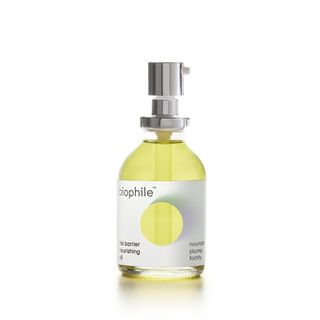
“Bio Barrier Nourishing Oil”
This product can help soften the skin and reduce its moisture loss with emollients and occlusives: plukenetia volubilis seed oil, squalane.
Keep in mind that this product does not contain effective ingredients to attract water to the upper layer of the skin. This is why an additional product with humectants like glycerin or hyaluronic acid can be helpful (apply it before this product for the best results).
Anti-oxidationNot advertised by the brand · 6 ingredients credited for this claimModerate support
This product contains antioxidants (rubus idaeus seed oil) that might be able to help neutralize free radicals in skin to lessen the damage it gets from the UV light (sun). There is not enough evidence to confirm their effectiveness in skin though.
Can it cause trouble?
Irritancy2 strong irritants: Citrus aurantium amara flower oil, Rosa damascena extractMedium risk
ComedogenicClean of flagged comedogenic ingredientsNone flagged
User reviews
Be the first — your take helps the next person decide.
Ingredients
Filter by role to see what each ingredient is doing.
Squalane~25–37%
- Irritation risk
- Low
An oil naturally present in skin. Works as an emollient to soften the skin and form a protective layer on its surface without a greasy feeling.
More about SqualanePseudozyma epicola/camellia sinensis seed oil ferment extract filtrate~5–7.4%
Vitis vinifera seed oil~5–7.4%
- Irritation risk
- Medium
A great emollient that can also have anti-oxidant properties
More about Vitis vinifera seed oilRosa canina seed oil~4–6%
- Irritation risk
- Medium
A plant oil that helps soften the upper layer of the skin. It might have anti-oxidant properties. Might help reduce inflammation in skin and help against blemishes
More about Rosa canina seed oilPlukenetia volubilis seed oil~3.2–4.8%
- Irritation risk
- Low
A plant oil that works as a good moisturizer by softening the upper layer of the skin. Might be helpful in reducing inflammation in skin and reducing blemishes due to the large content of linoleic acid
More about Plukenetia volubilis seed oilRubus idaeus seed oil~2.6–4%
- Irritation risk
- Medium
A plant oil that might be able to help neutralize free radicals in skin
More about Rubus idaeus seed oilTetrahexyldecyl ascorbate~1.6–2.3%
- Irritation risk
- Medium
Being a lipid soluble form of vitamin C, it is more stable than ascorbic acid, but still degrades quickly and needs to be stabilized in a formulation with another ingredient. It is claimed to penetrate skin better than pure vitamin C and have the the similar benefits, but solid studies of its effectiveness are lacking. Is likely to require a higher concentration in a product than pure vitamin C to be effective. It might be able to help reduce pore clogging.
More about Tetrahexyldecyl ascorbateSchisandra chinensis fruit extract~1.3–2%
- Irritation risk
- Medium
A berry extract that might help neutralize free radicals on the surface of the skin
More about Schisandra chinensis fruit extractGlycolipids~0.9–1.35%
- Irritation risk
- Low
Tocopherol~0.45–1.05%
- Irritation risk
- Low
Pure form of vitamin E. Can help moisturise and protect the skin from free radicals. Often used to help stabilise other ingredients or the formula itself
More about TocopherolCitrus aurantium amara flower oil~0.15–0.7%
- Irritation risk
- High
Used as a fragrance. Can be irritating
More about Citrus aurantium amara flower oilVanilla planifolia seed~0.1–0.3%
- Irritation risk
- Low
Rosa damascena extract82%
- Irritation risk
- High
Oil of a very fragrant pink rose used as fragrance in cosmetics. Extensive research has shown it has mixed benefits. In the pro column, inhaling this flower’s scent seems to have relaxing properties and the plant’s petals contain skin-soothing and antioxidant compounds that can benefit skin. On the flipside, the numerous chemicals that create this rose’s distinctive fragrance pose a risk of causing skin aggravation.
More about Rosa damascena extractIngredient list view
Squalane, Pseudozyma epicola/camellia sinensis seed oil ferment extract filtrate, Vitis vinifera seed oil, Rosa canina seed oil, Plukenetia volubilis seed oil, Rubus idaeus seed oil, Tetrahexyldecyl ascorbate, Schisandra chinensis fruit extract, Glycolipids, Tocopherol, Citrus aurantium amara flower oil, Vanilla planifolia seed, Rosa damascena extract
Compare prices
Retailers ranked by price — lowest first.
Sources cited in this review
Every concentration estimate and effectiveness label is anchored to one of these 9 studies and safety reviews.
- 1Nutrient composition of rose (Rosa canina L.) seed and oilsncbi.nlm.nih.gov
- 2
- 3
- 4
- 5
- 6

Affiliate links · As an Amazon Associate, WIMJ earns from qualifying purchases.